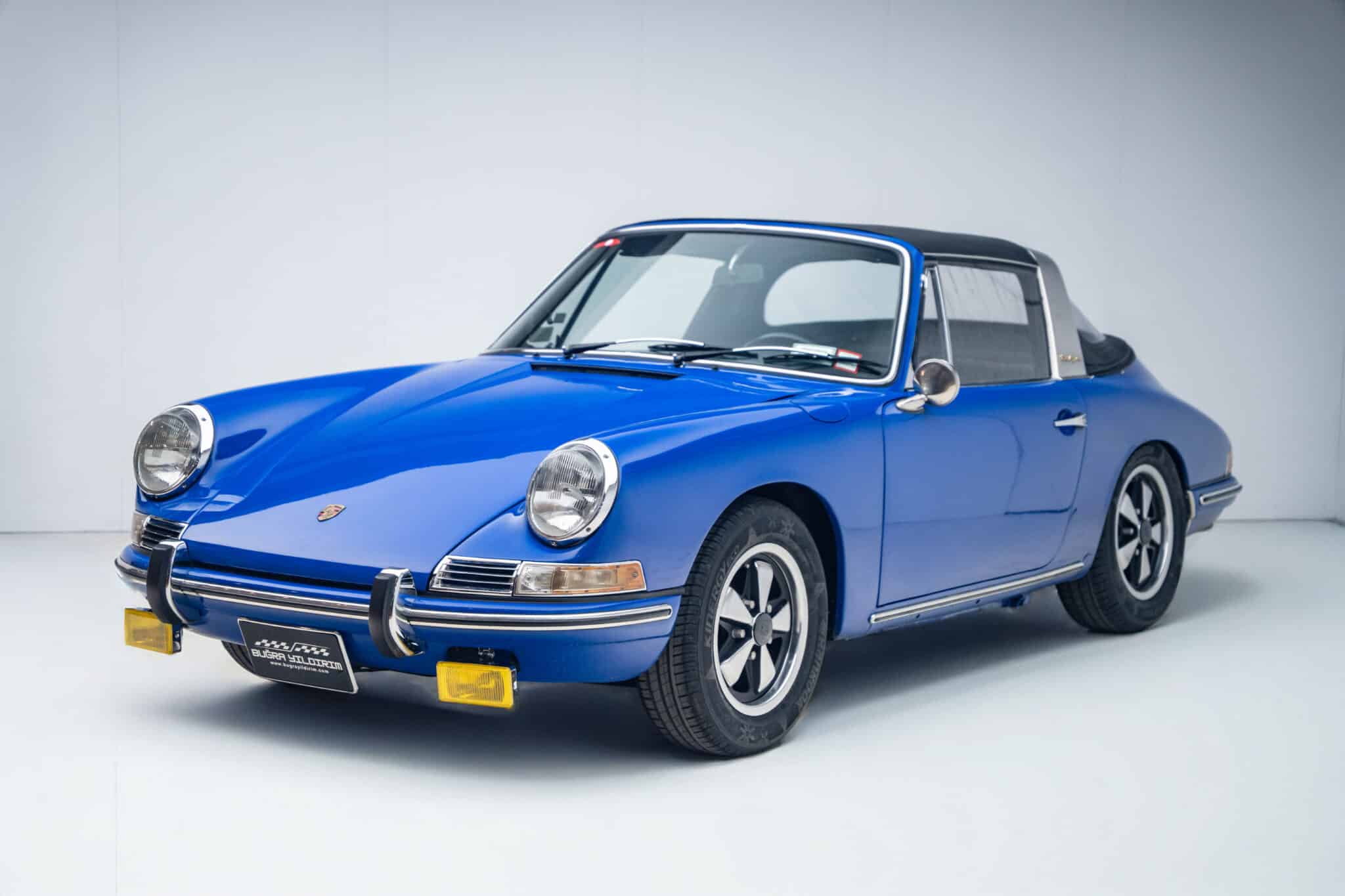
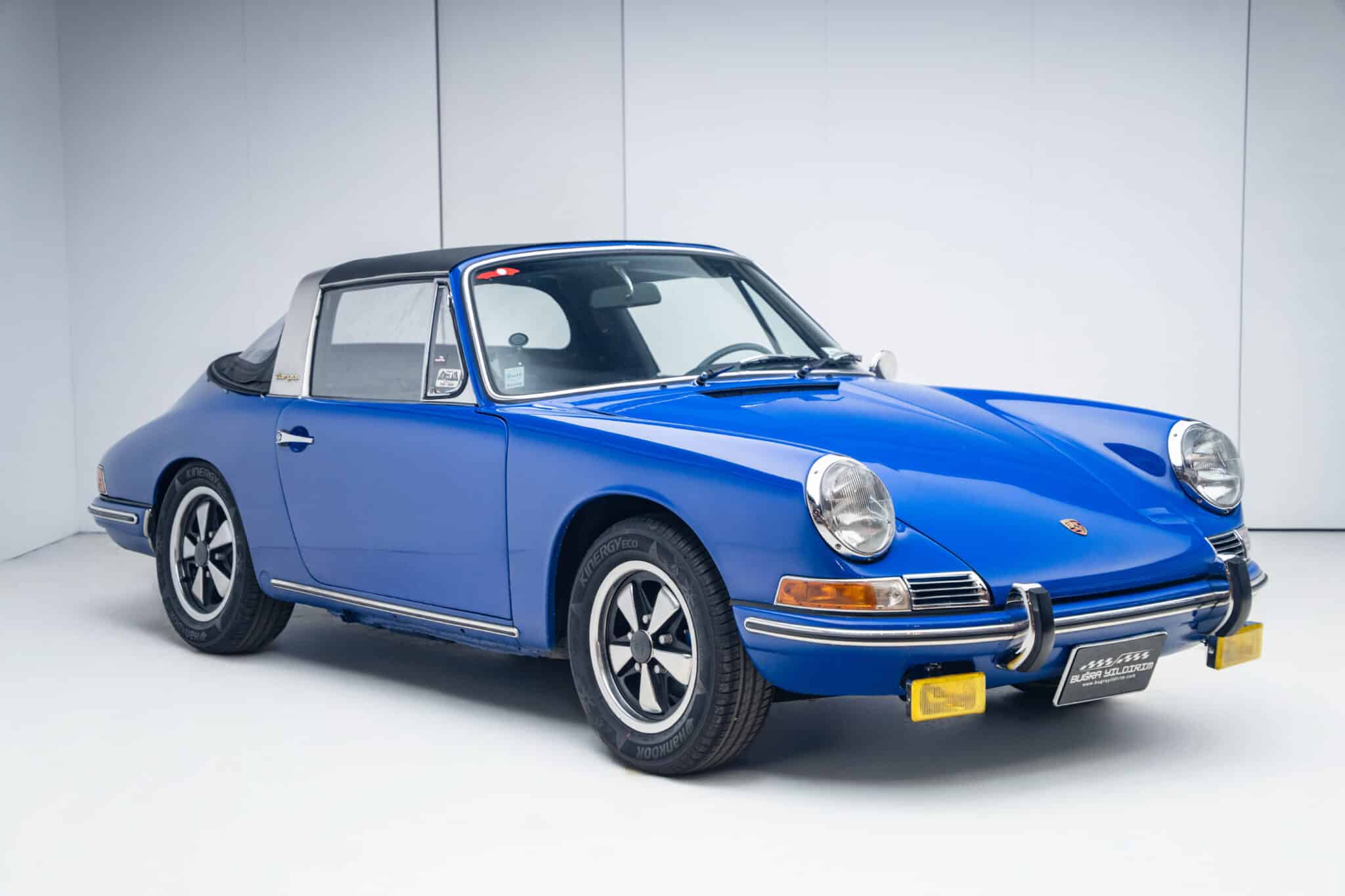
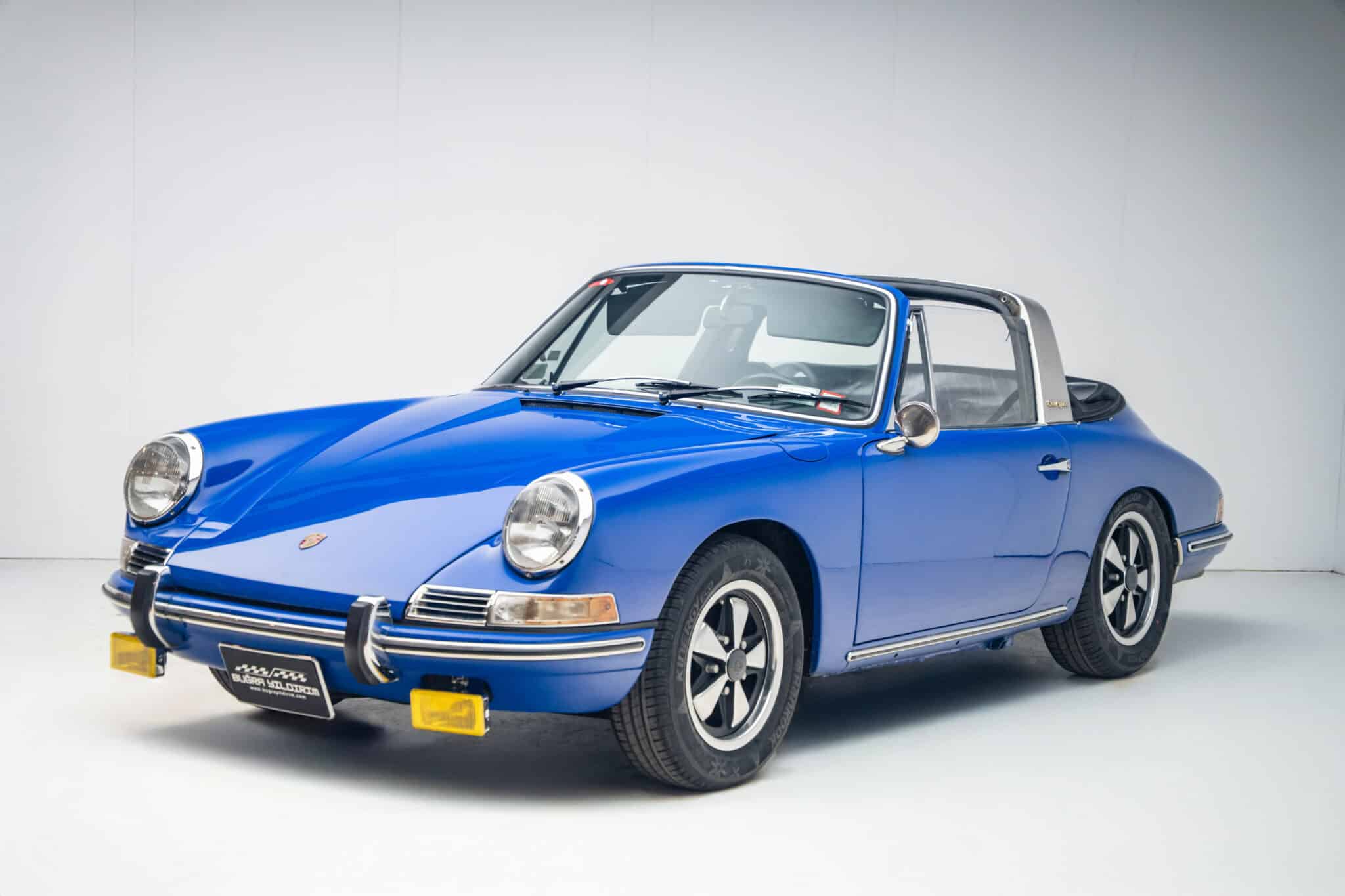
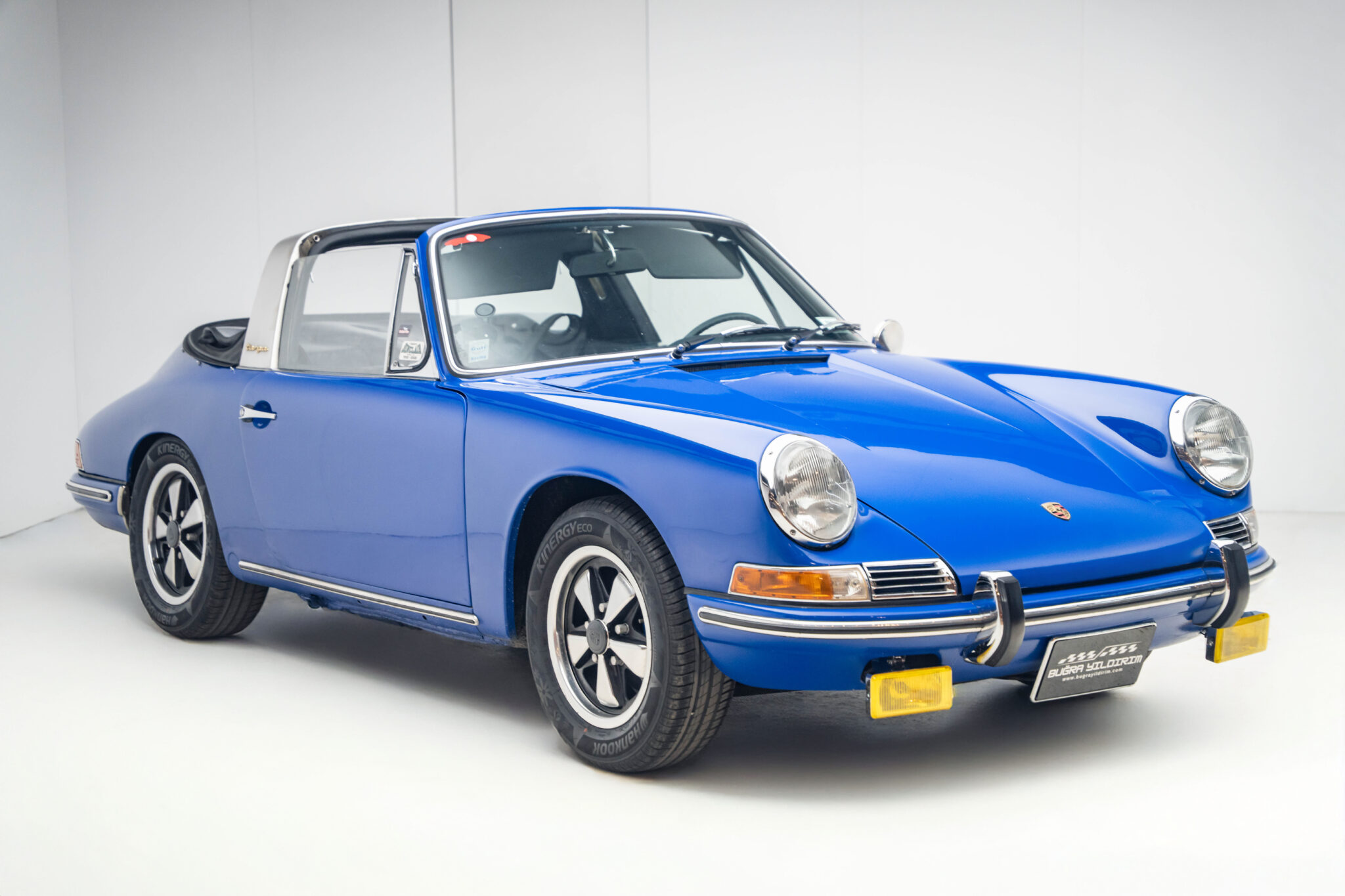
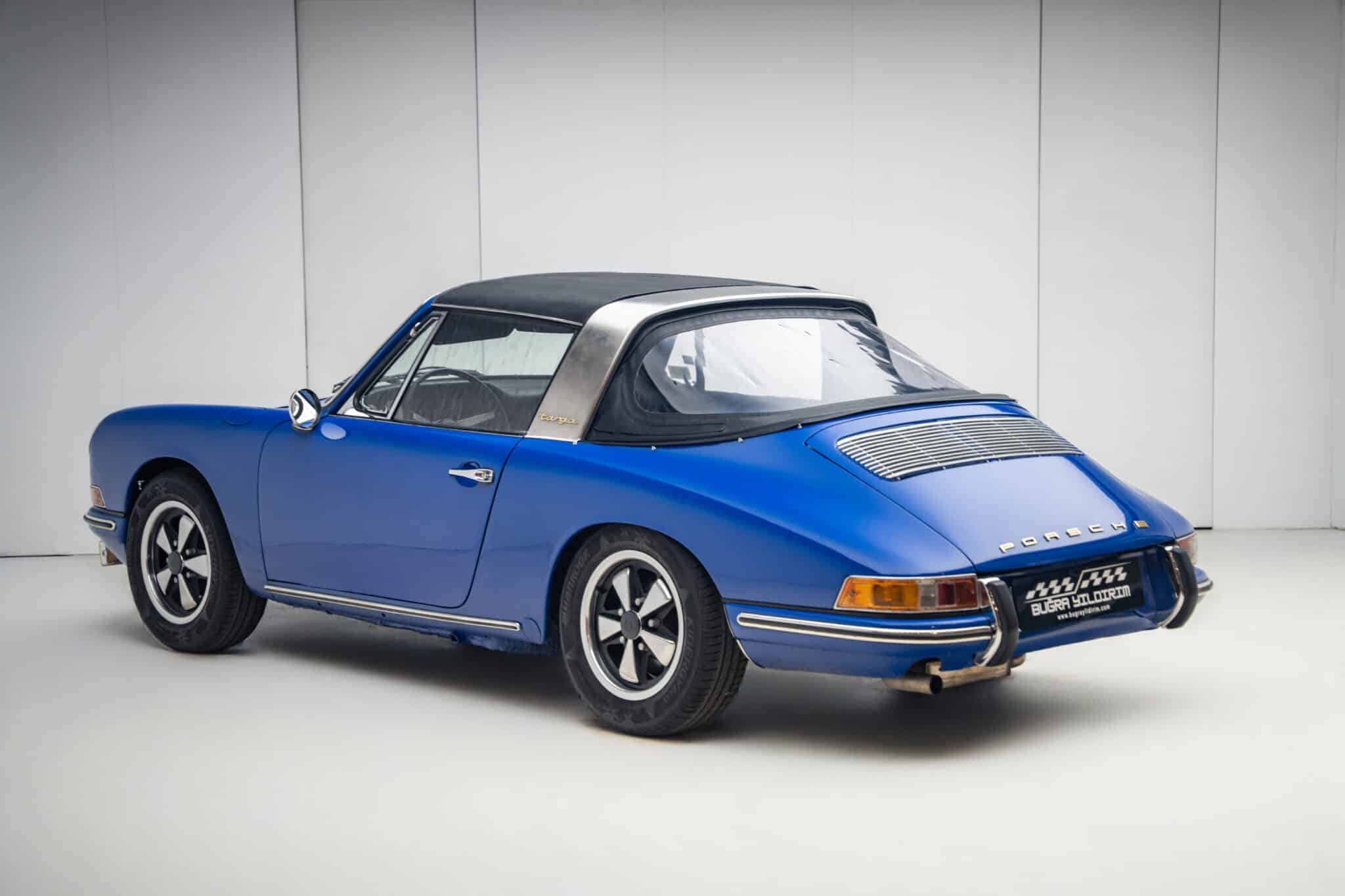
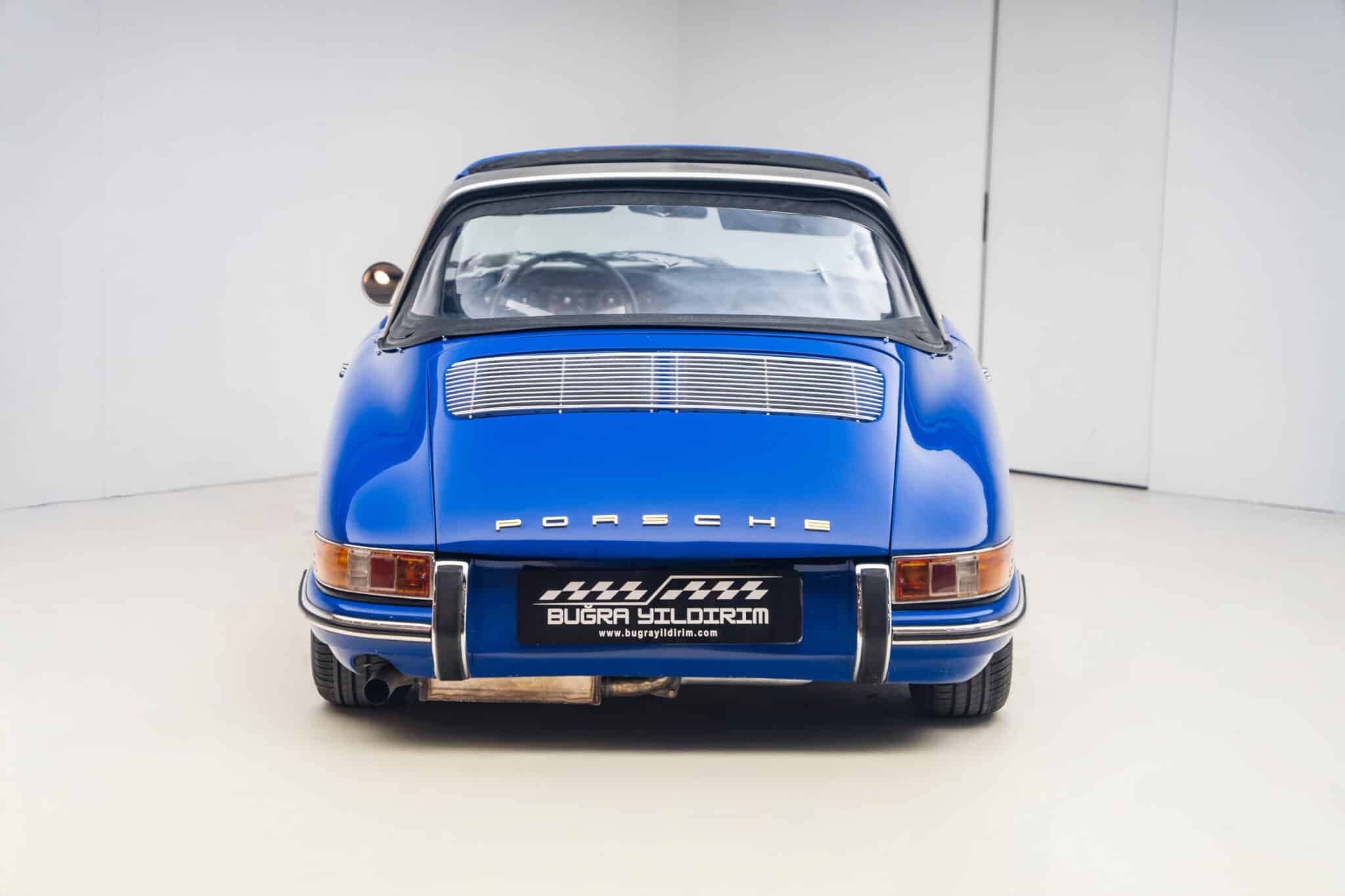
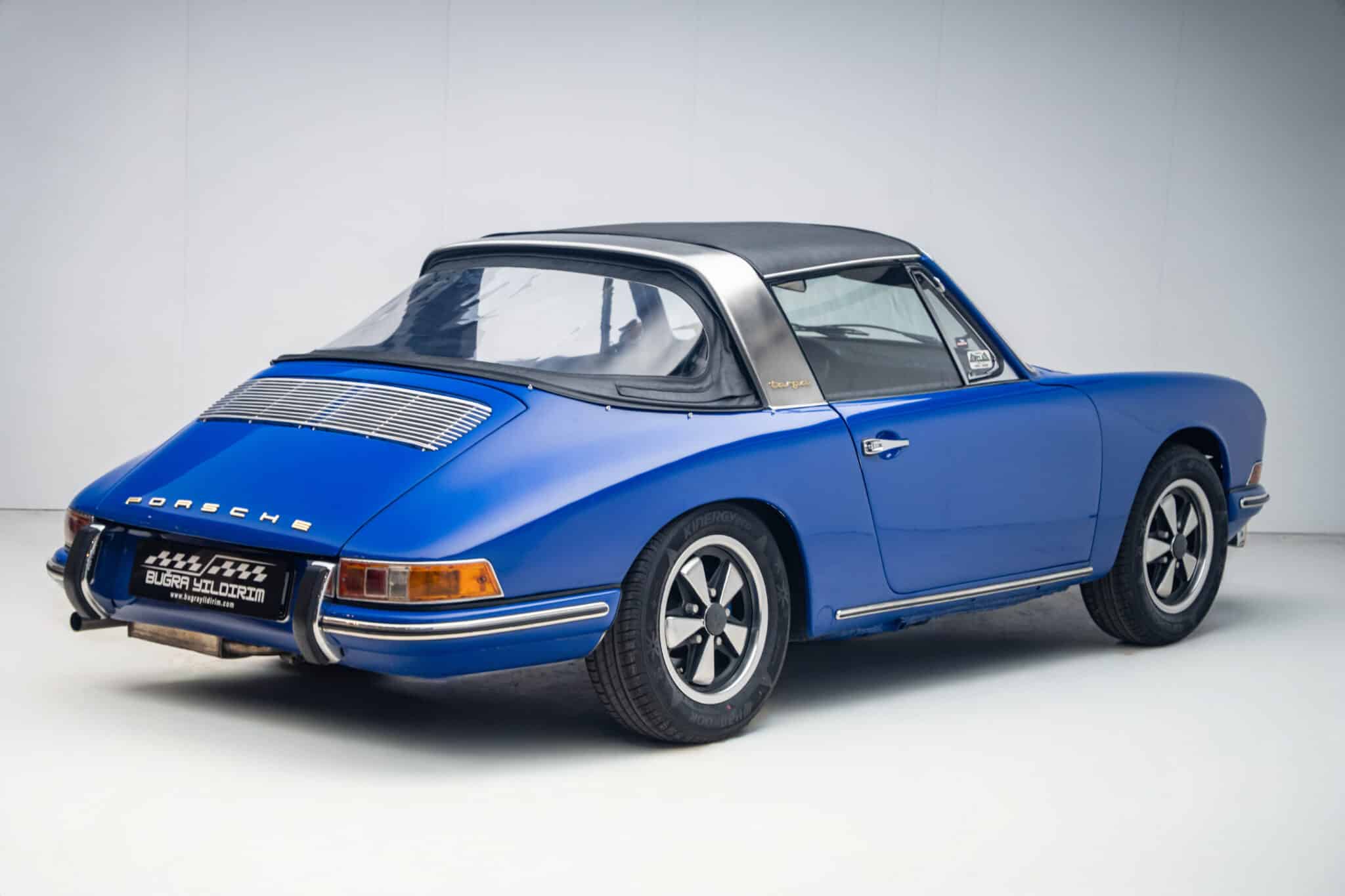
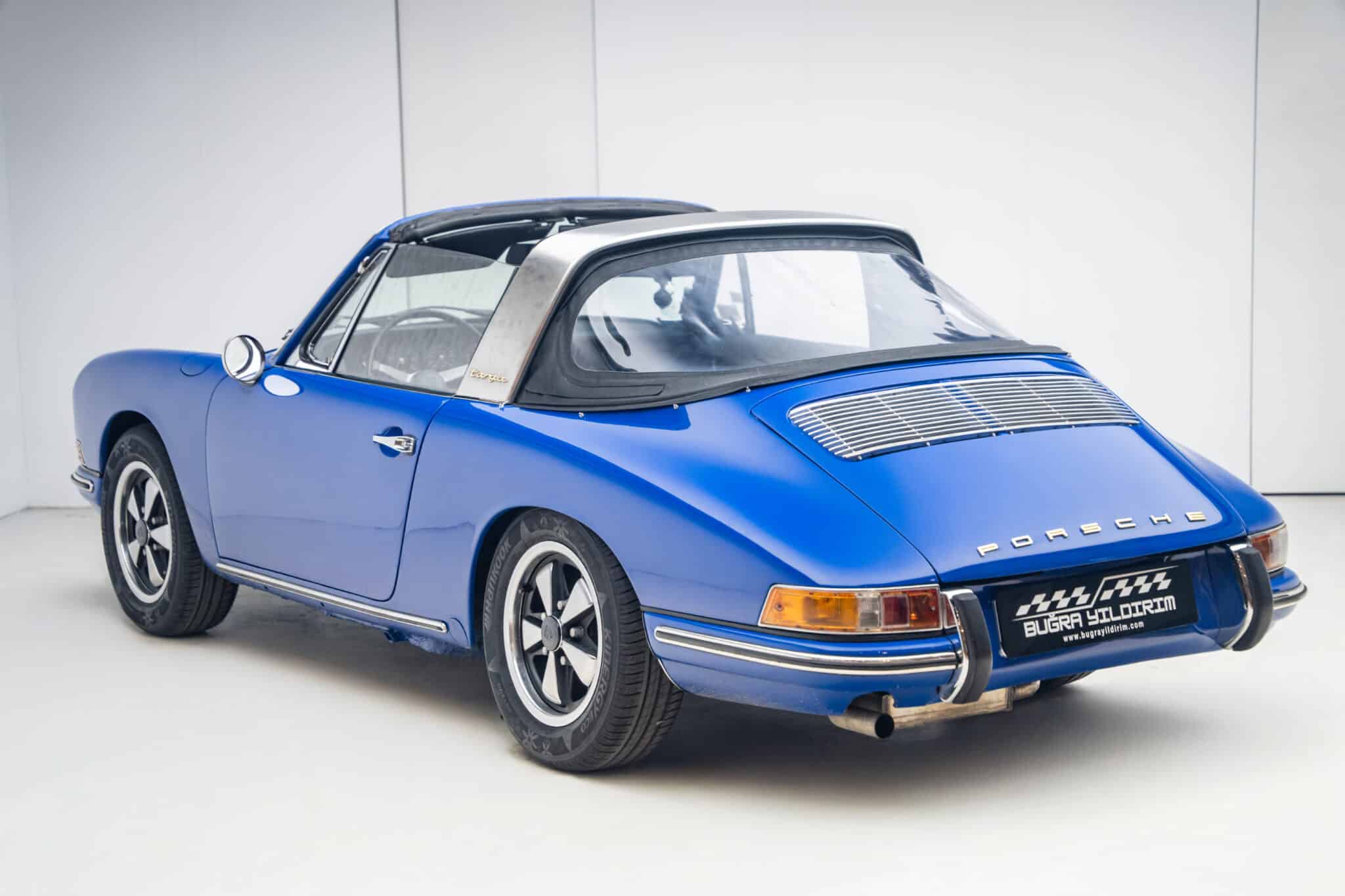
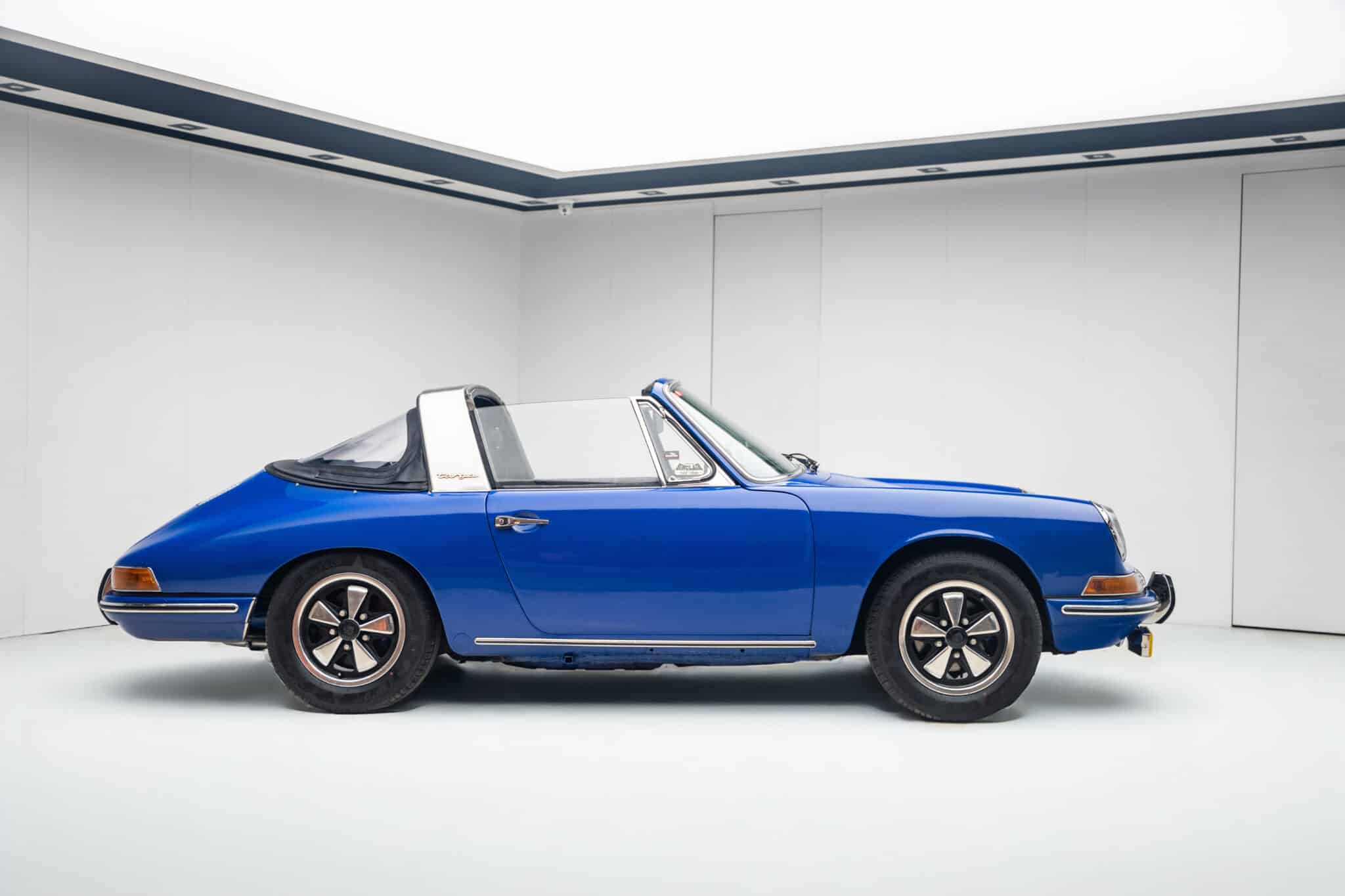
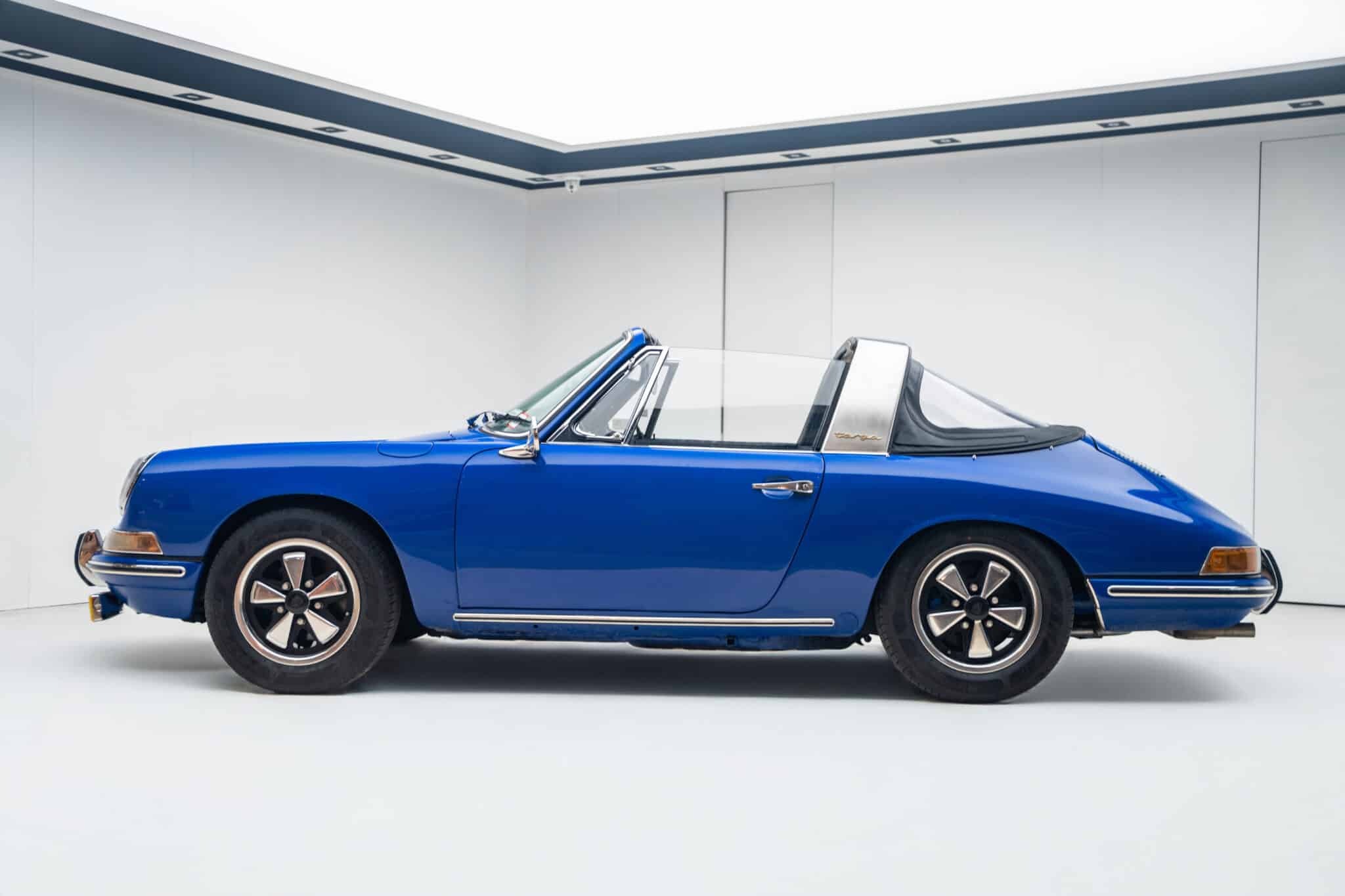
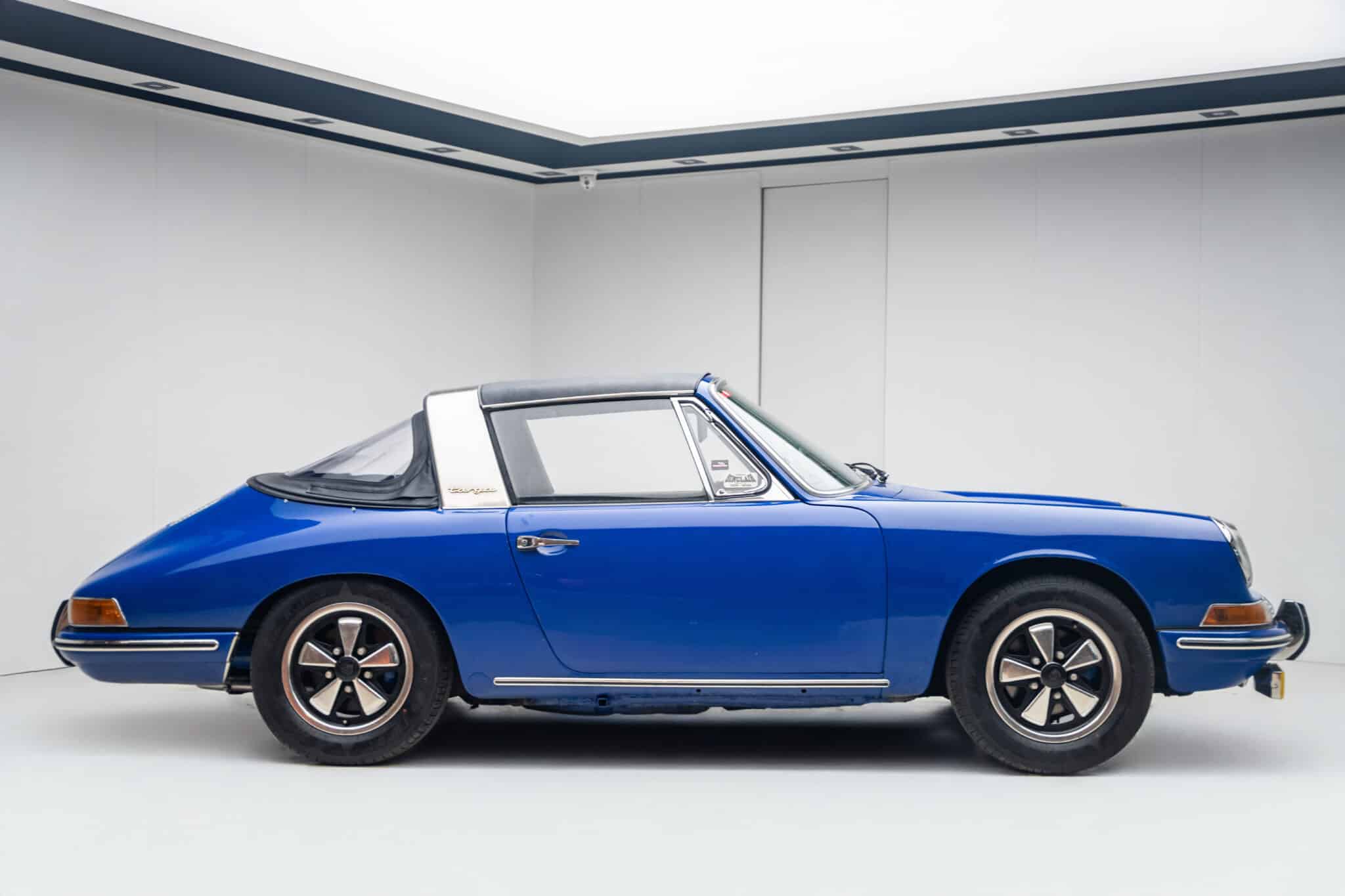
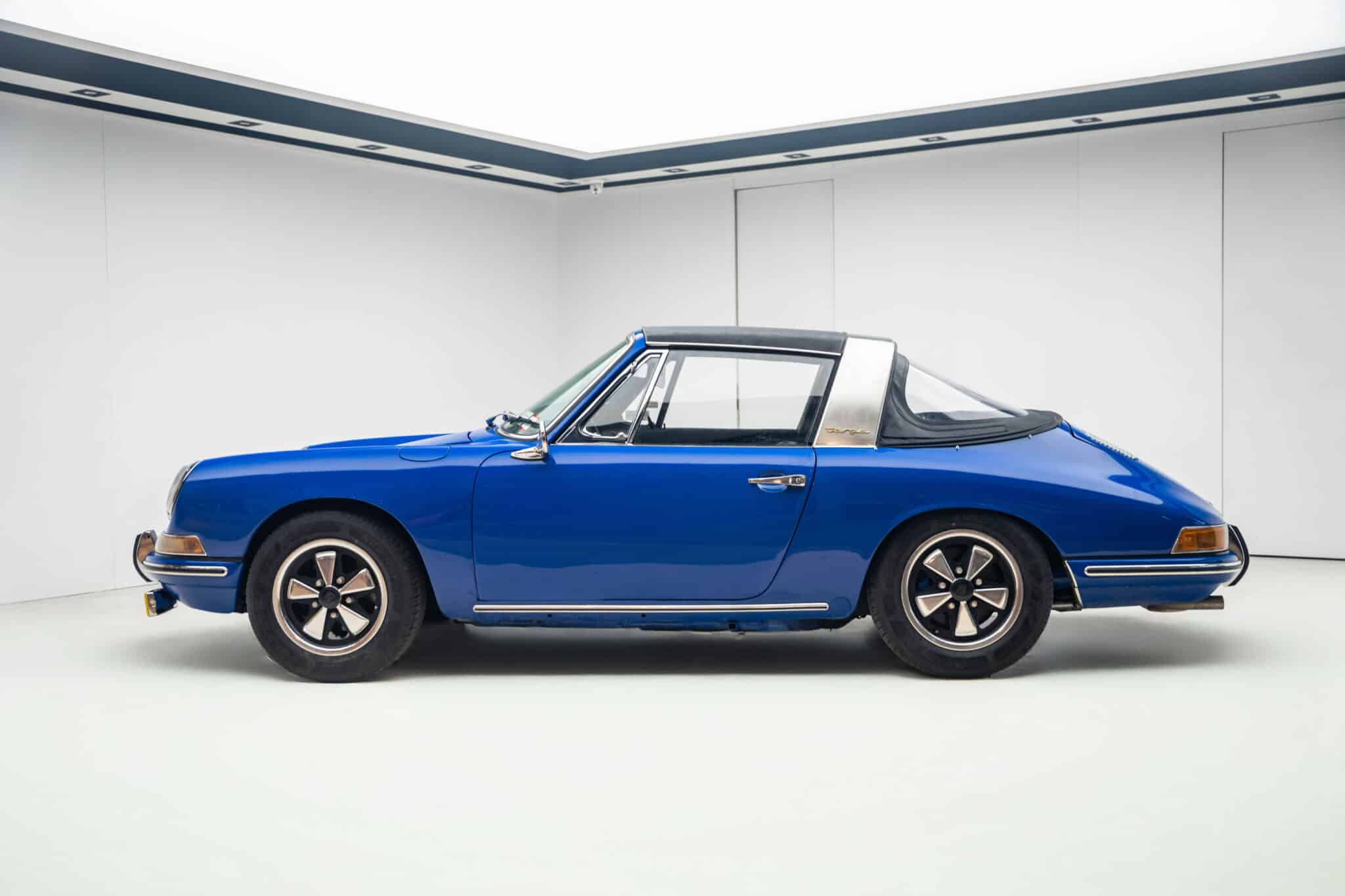
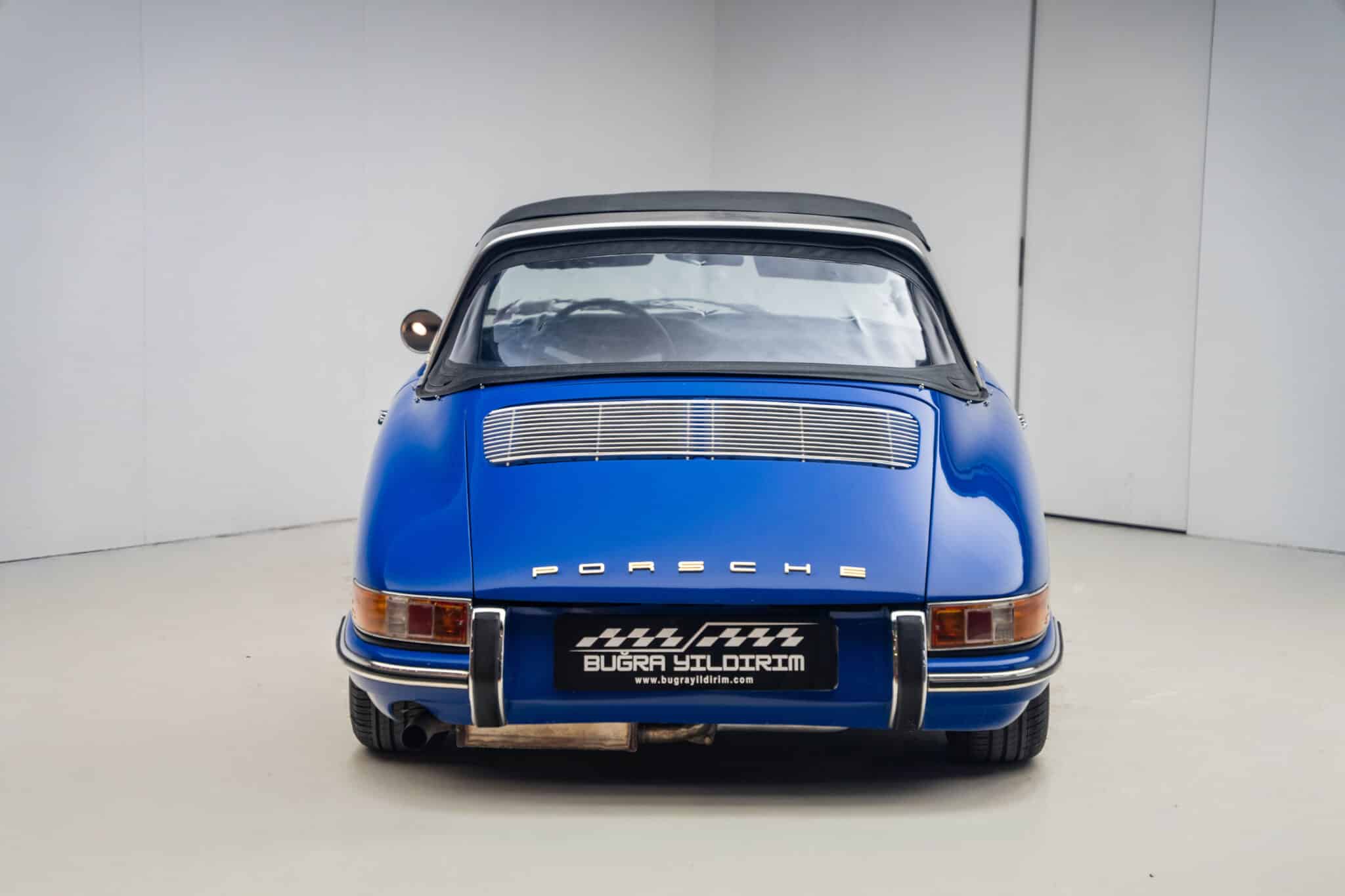
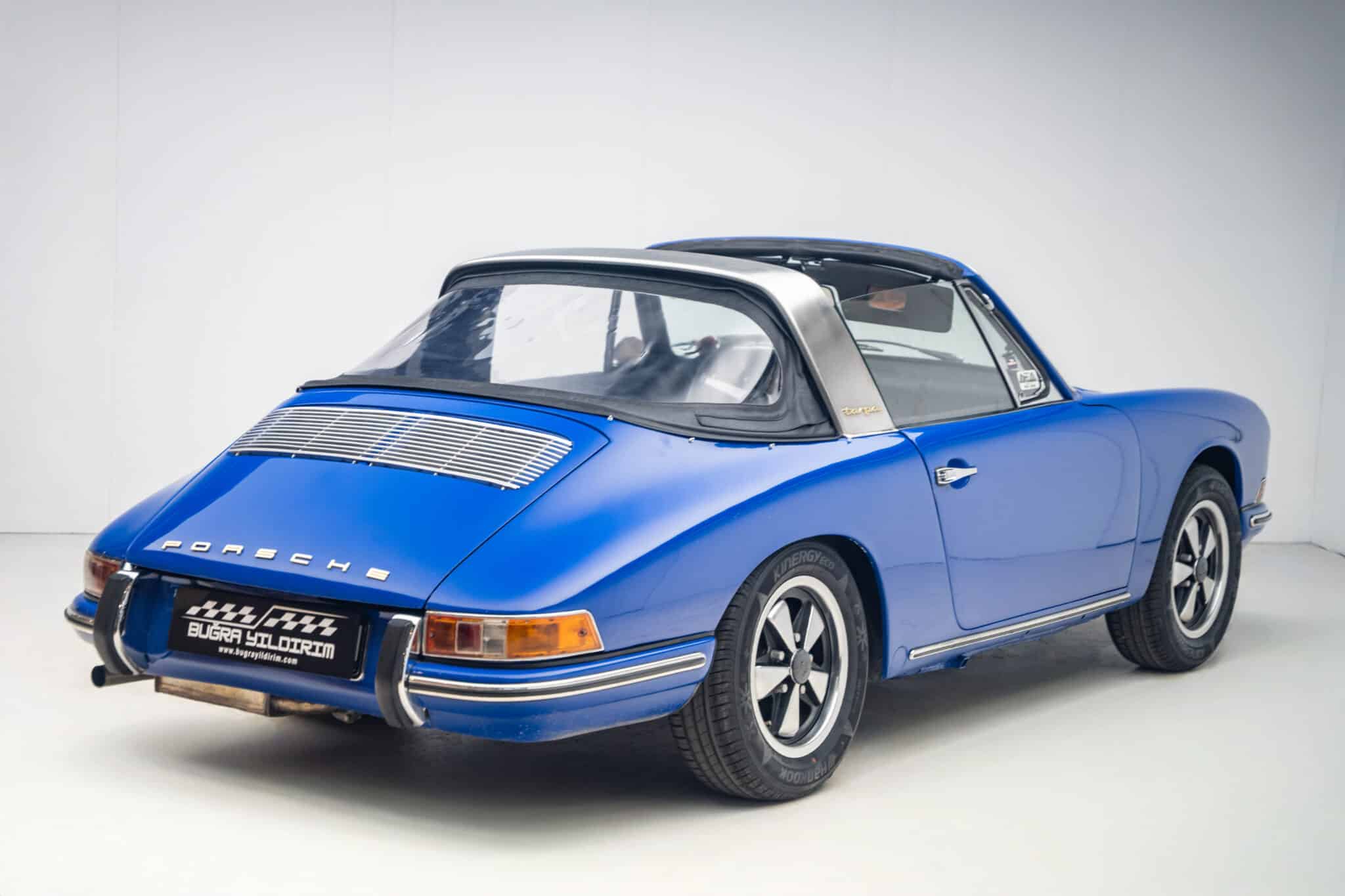
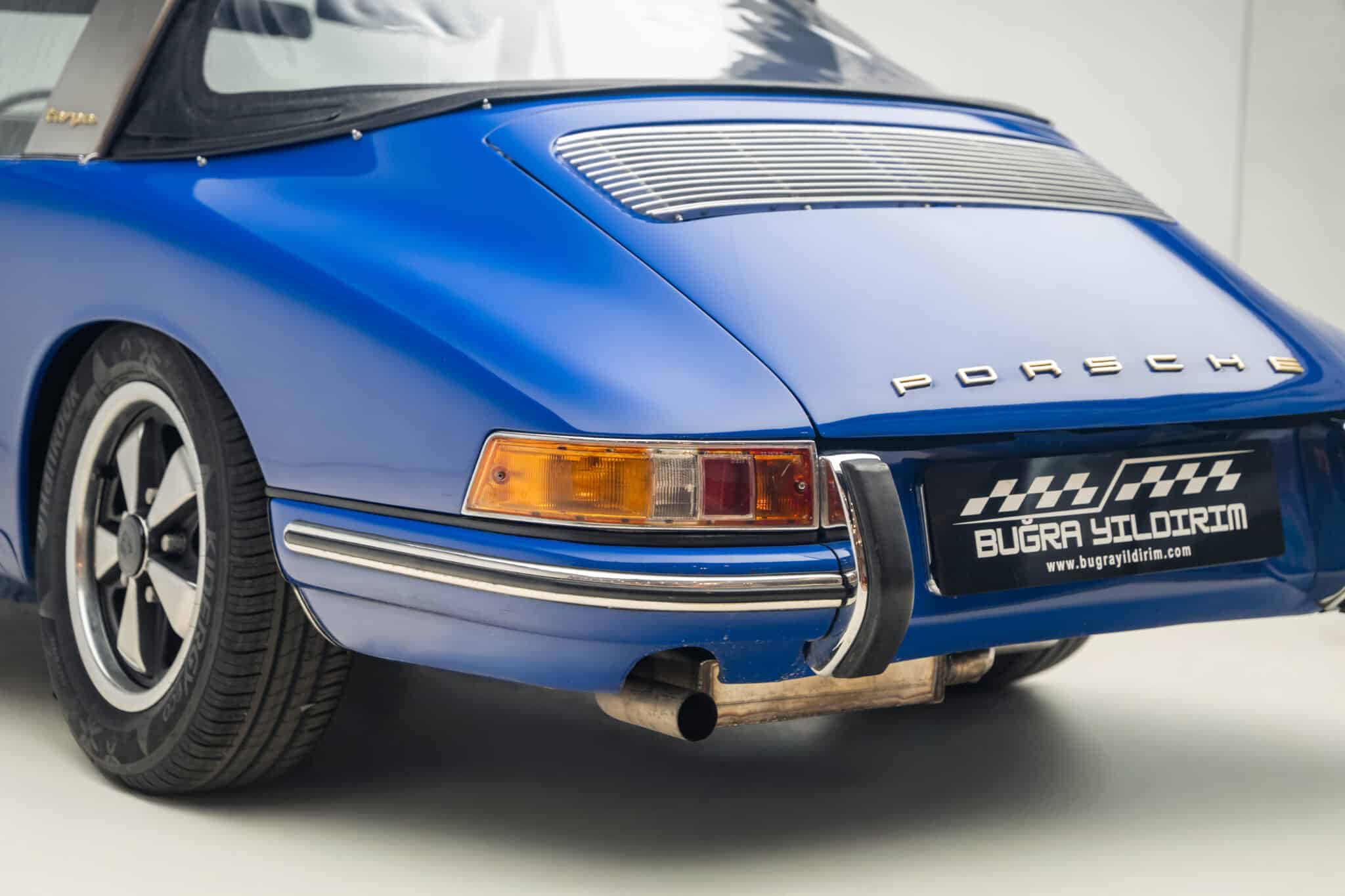
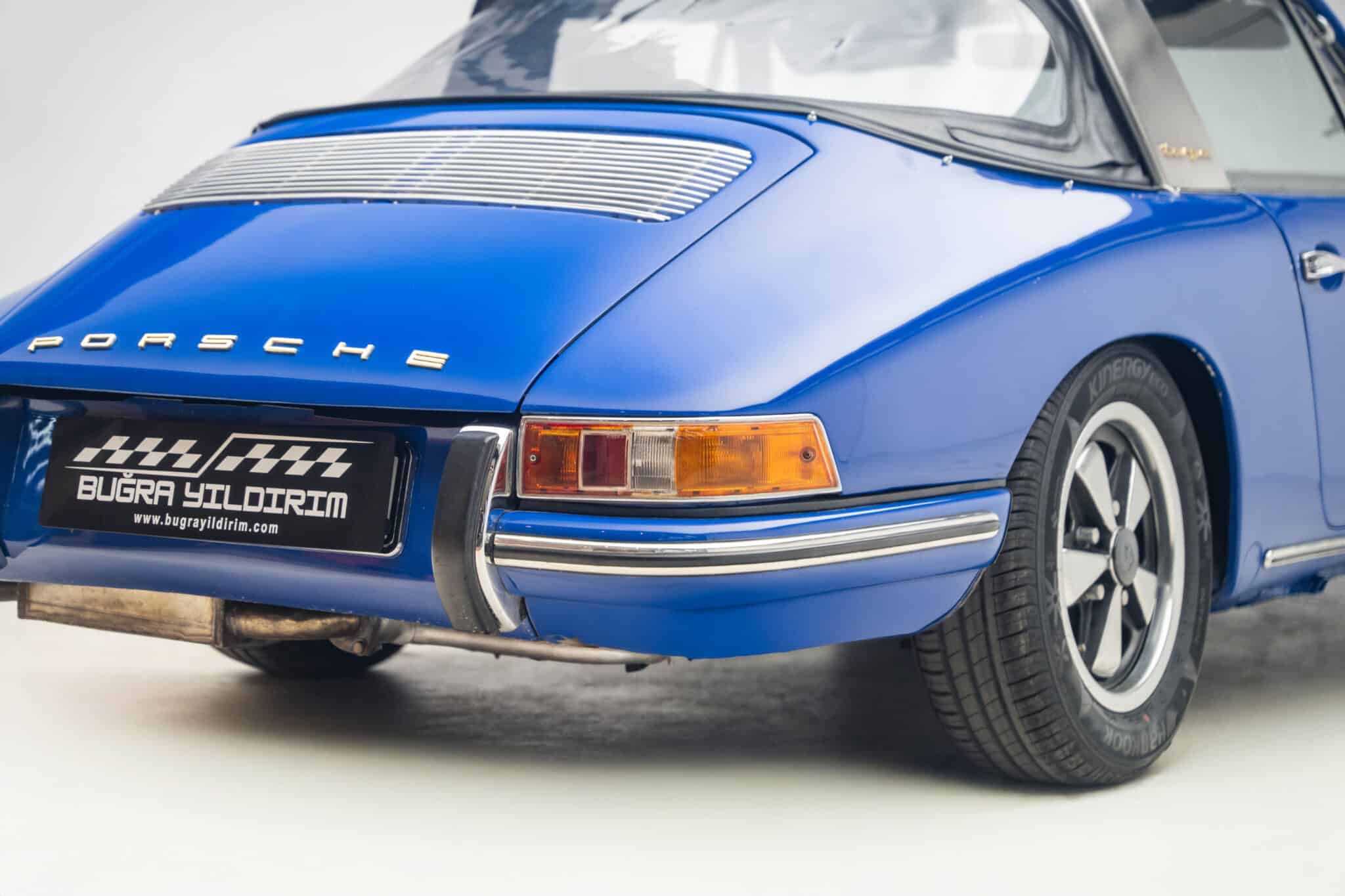
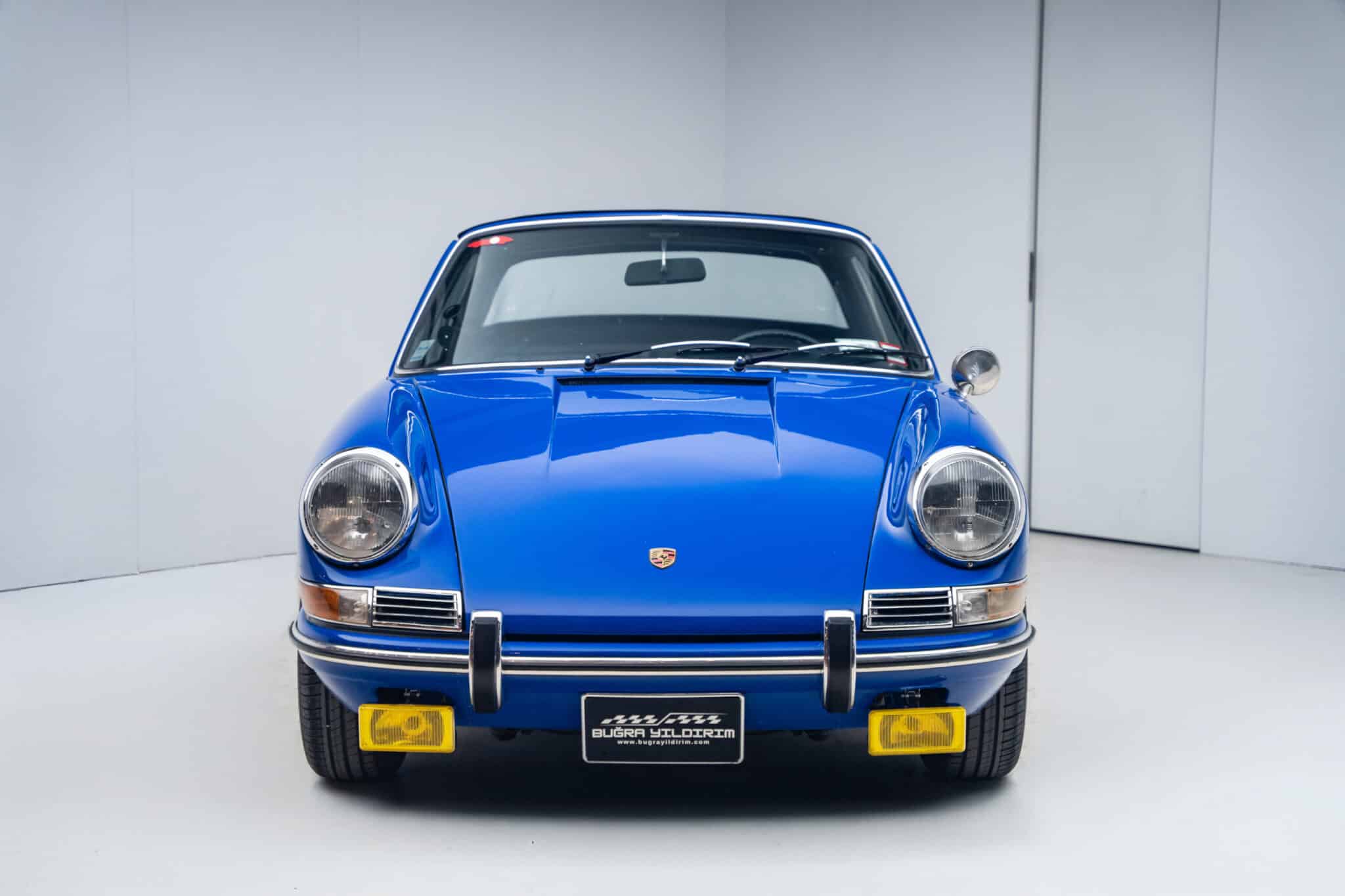
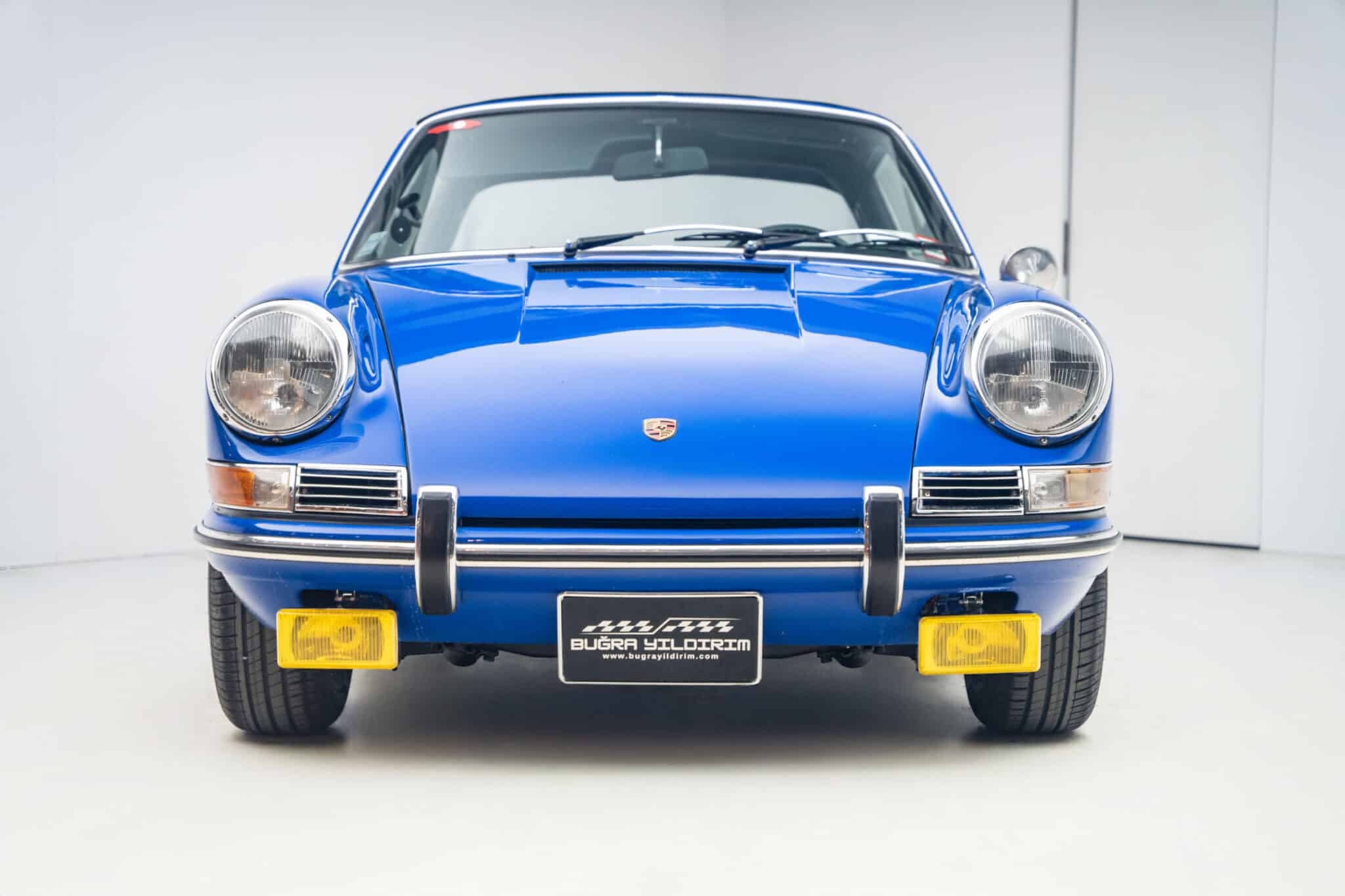
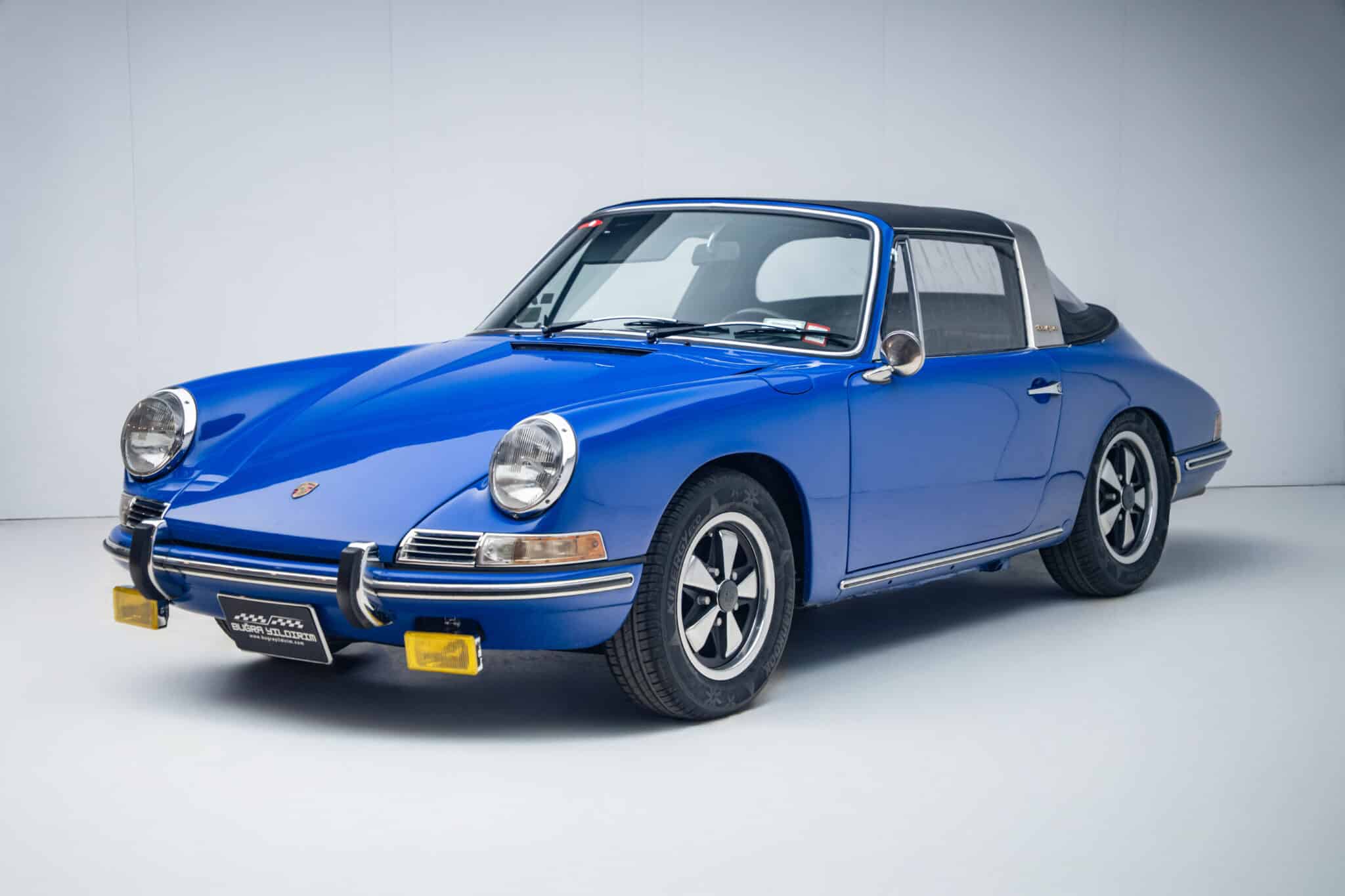
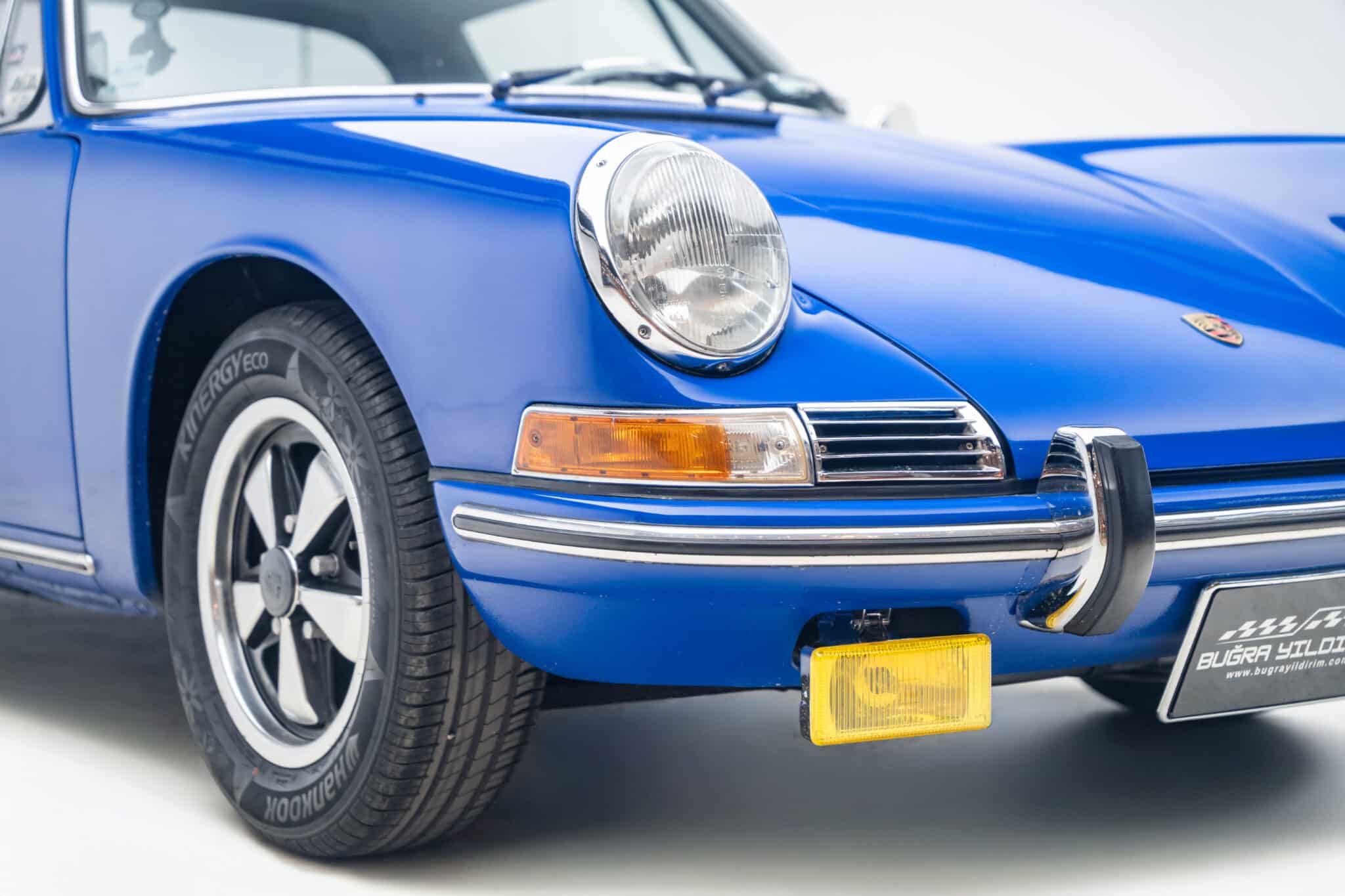
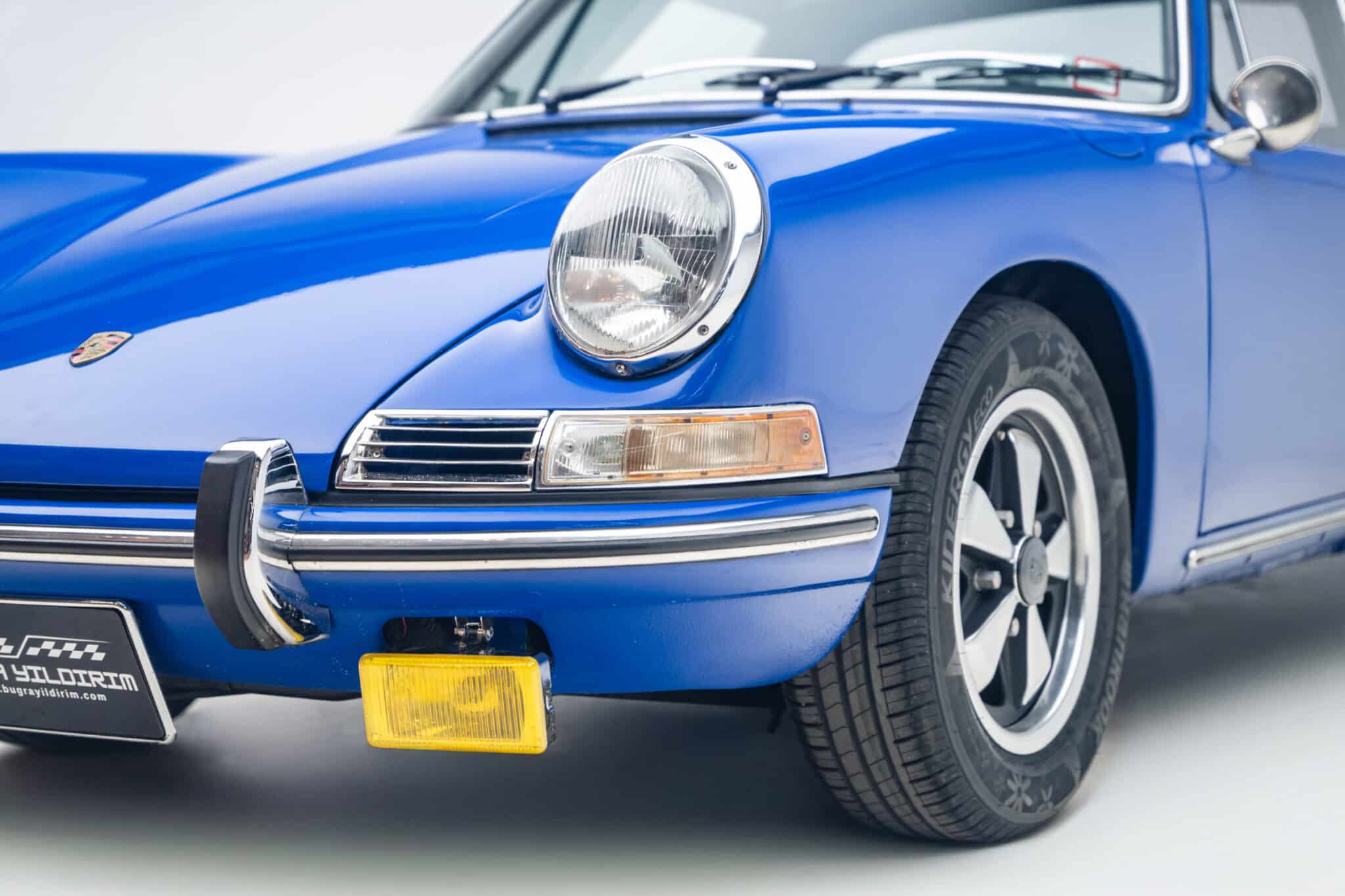
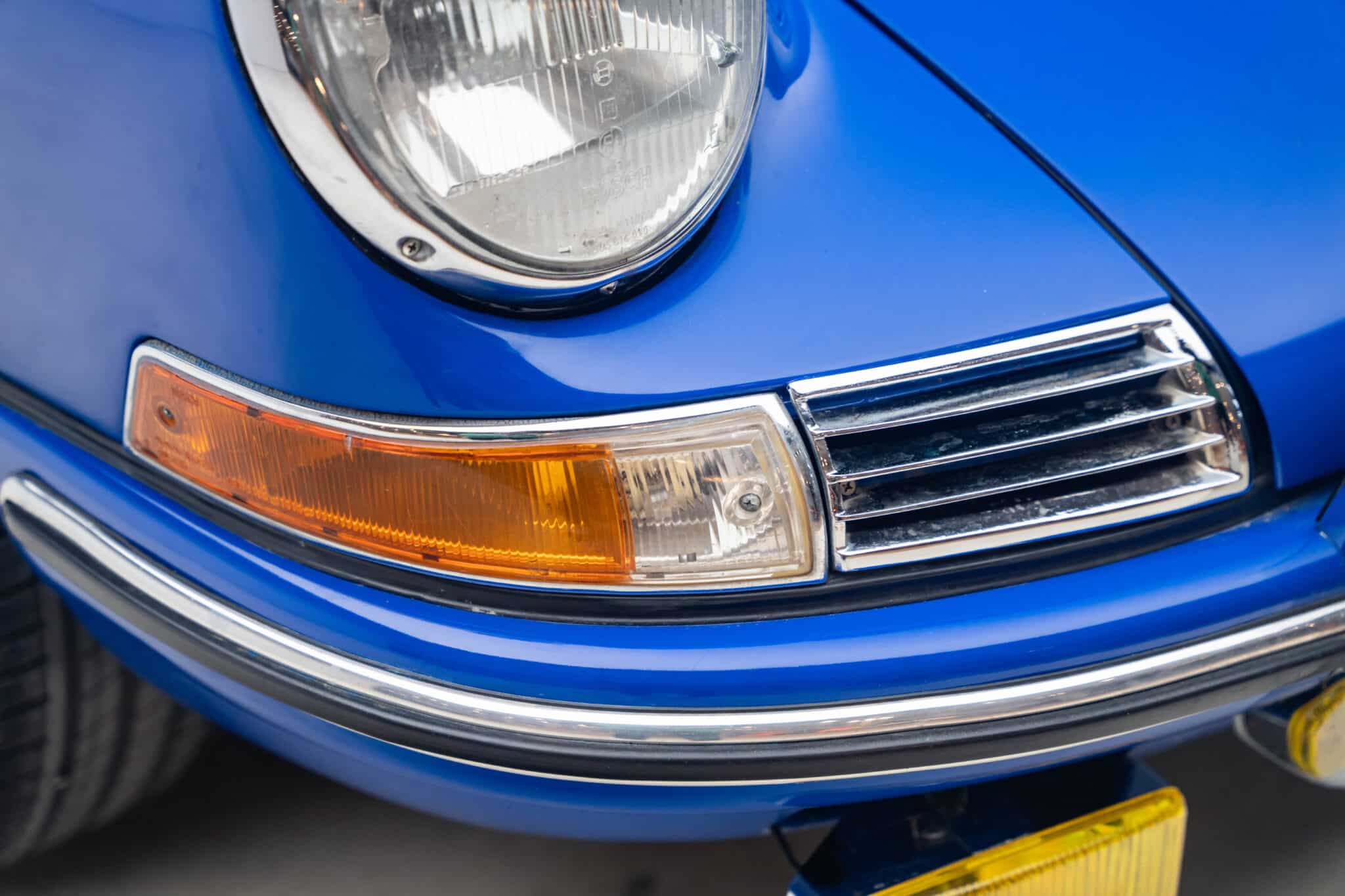
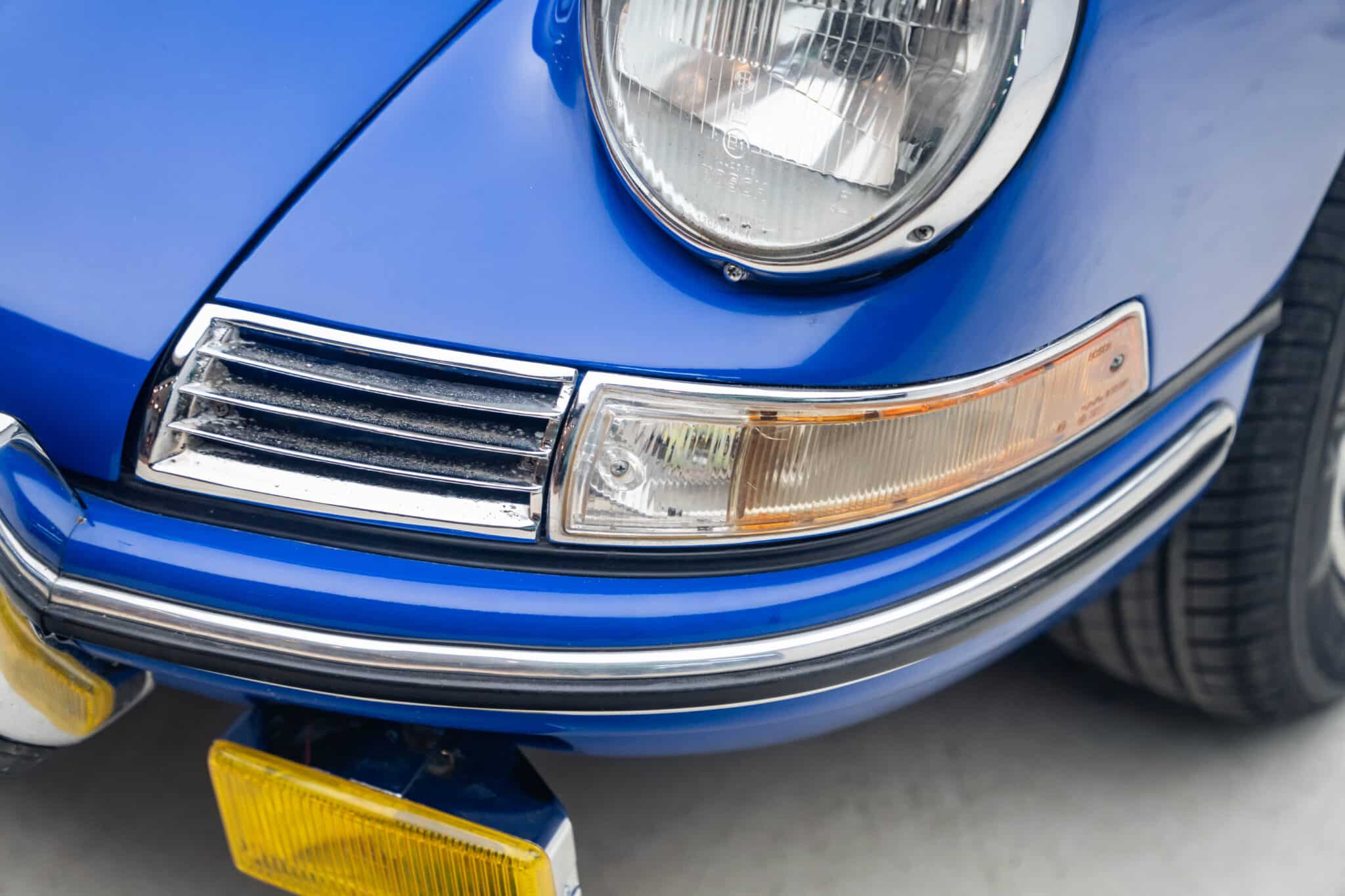
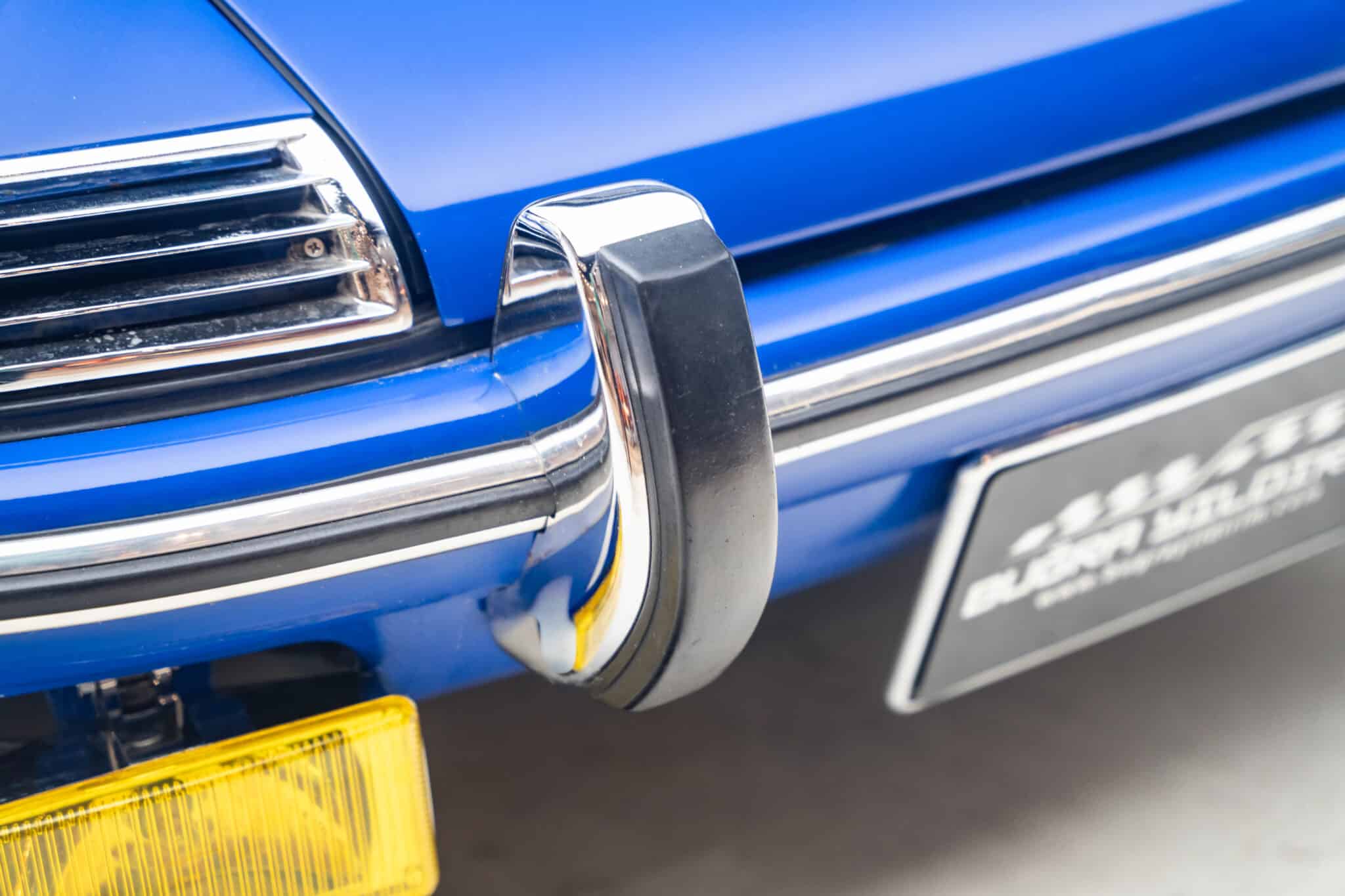
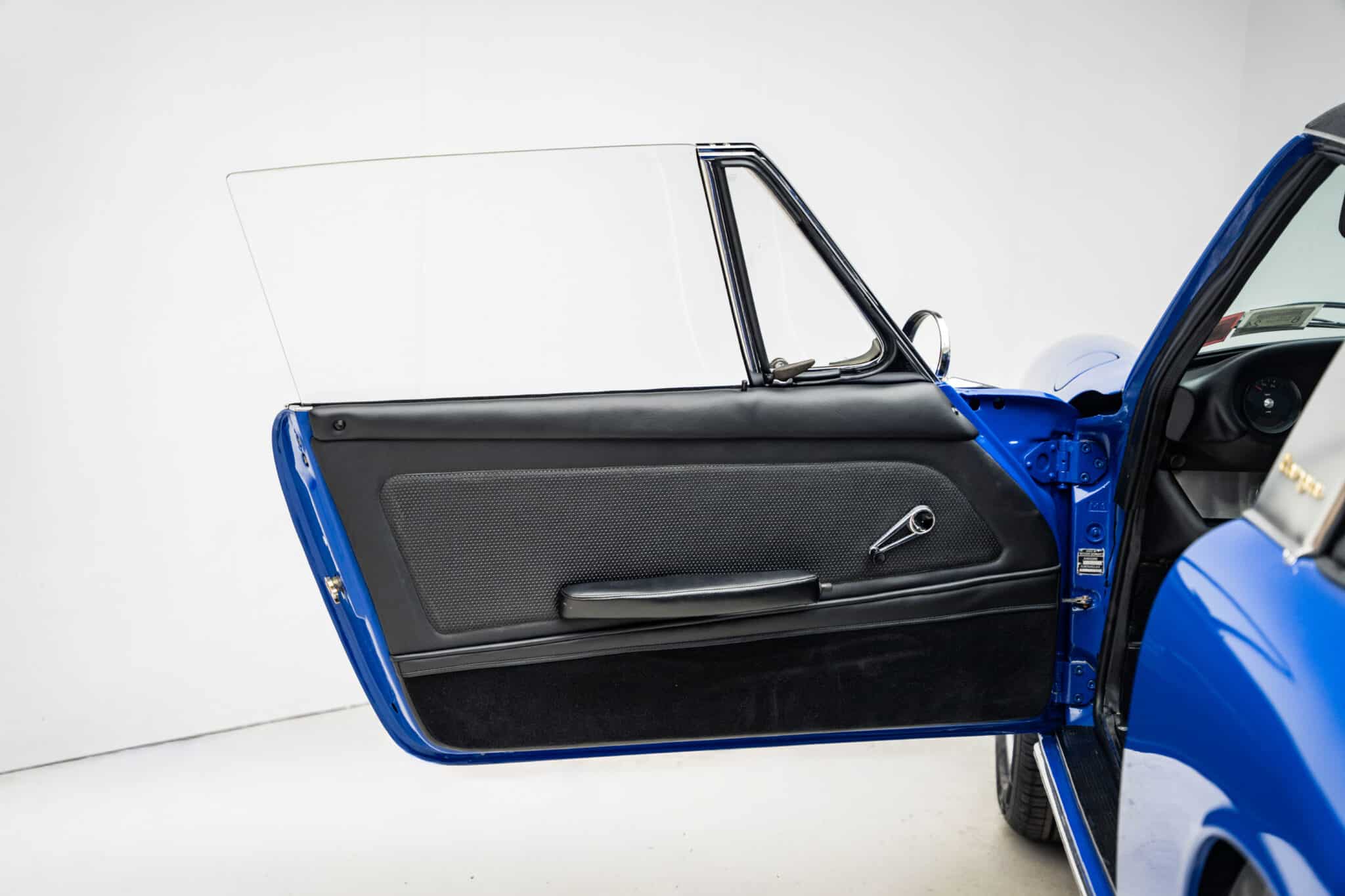
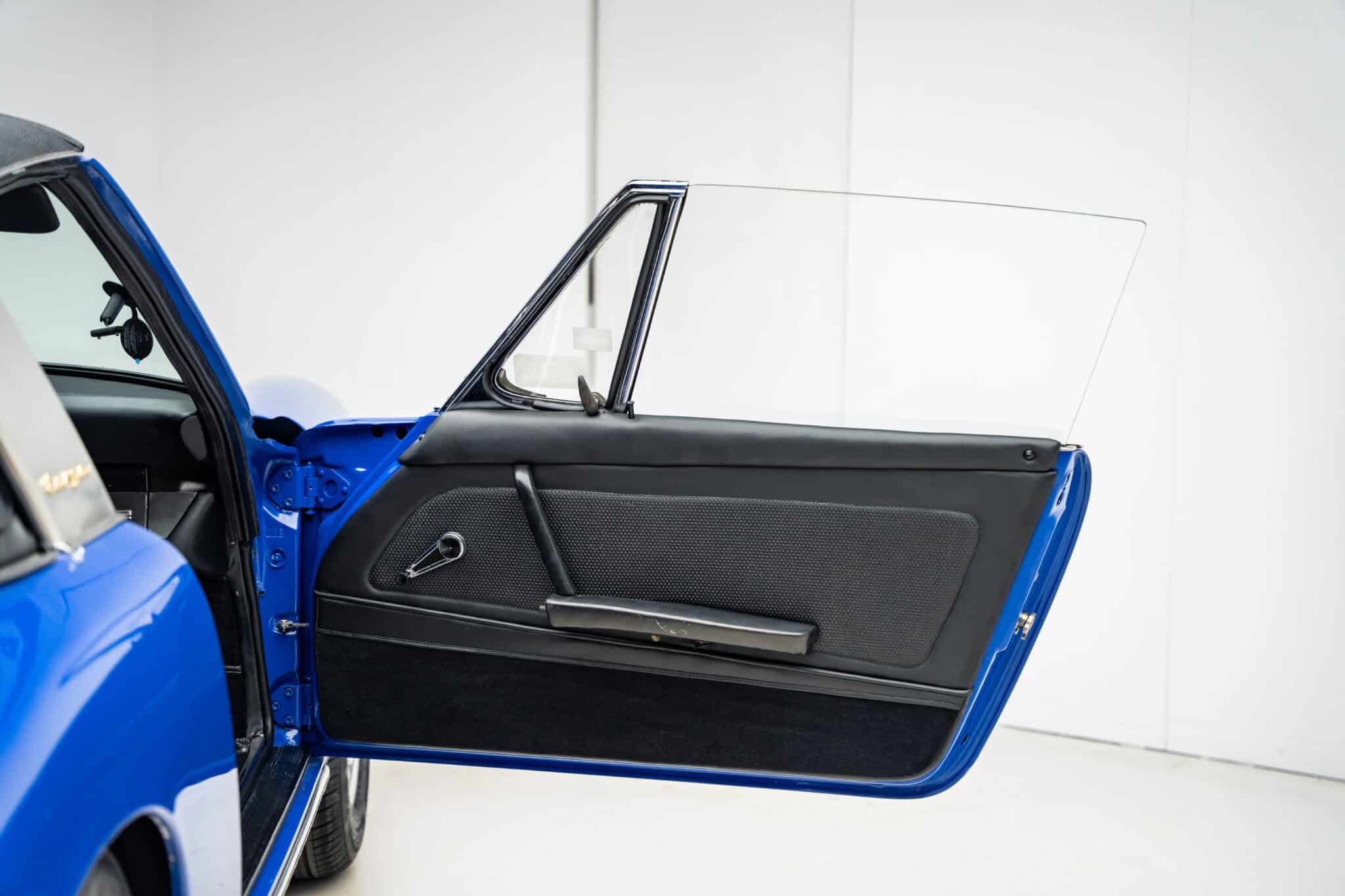
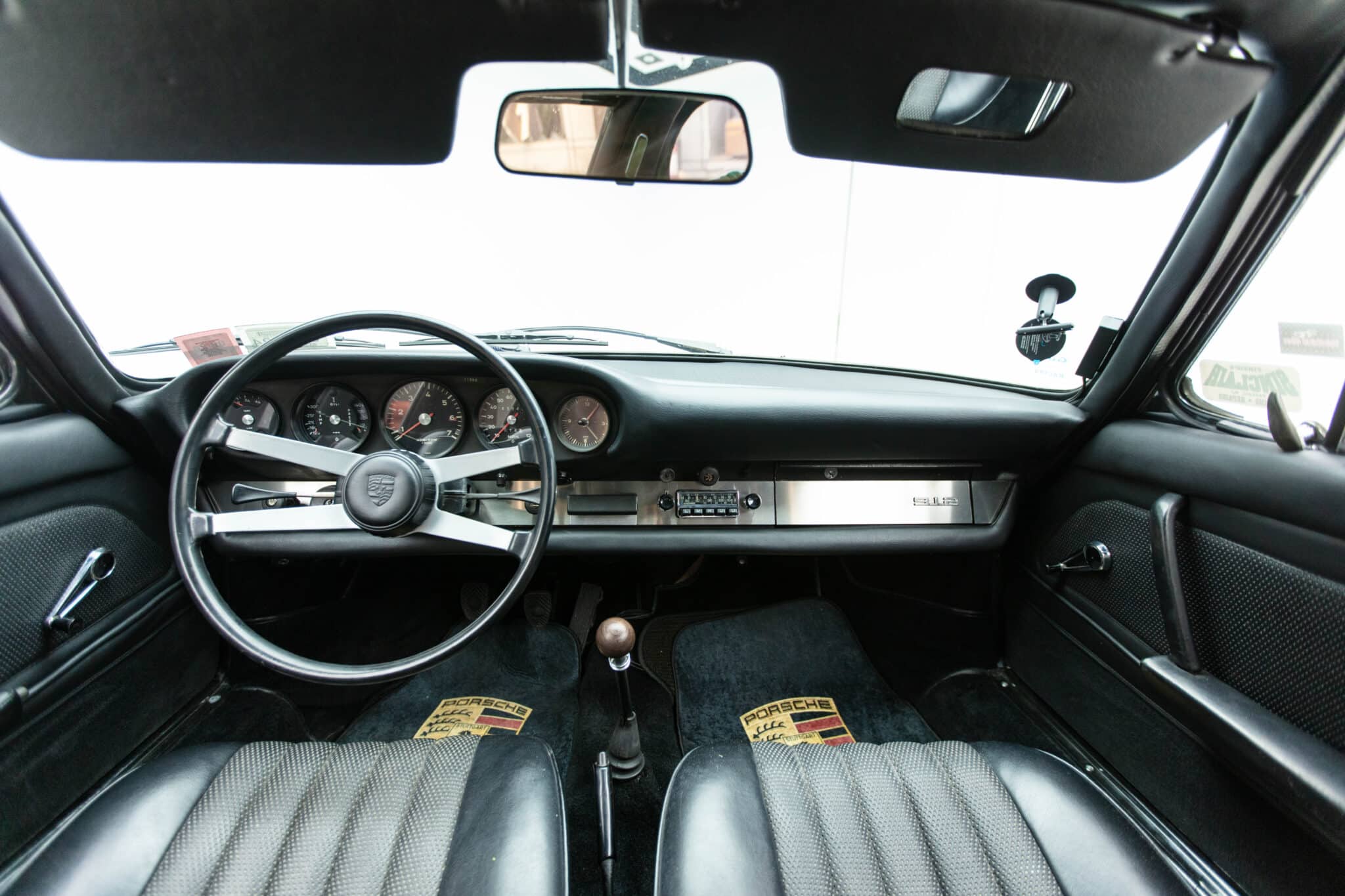
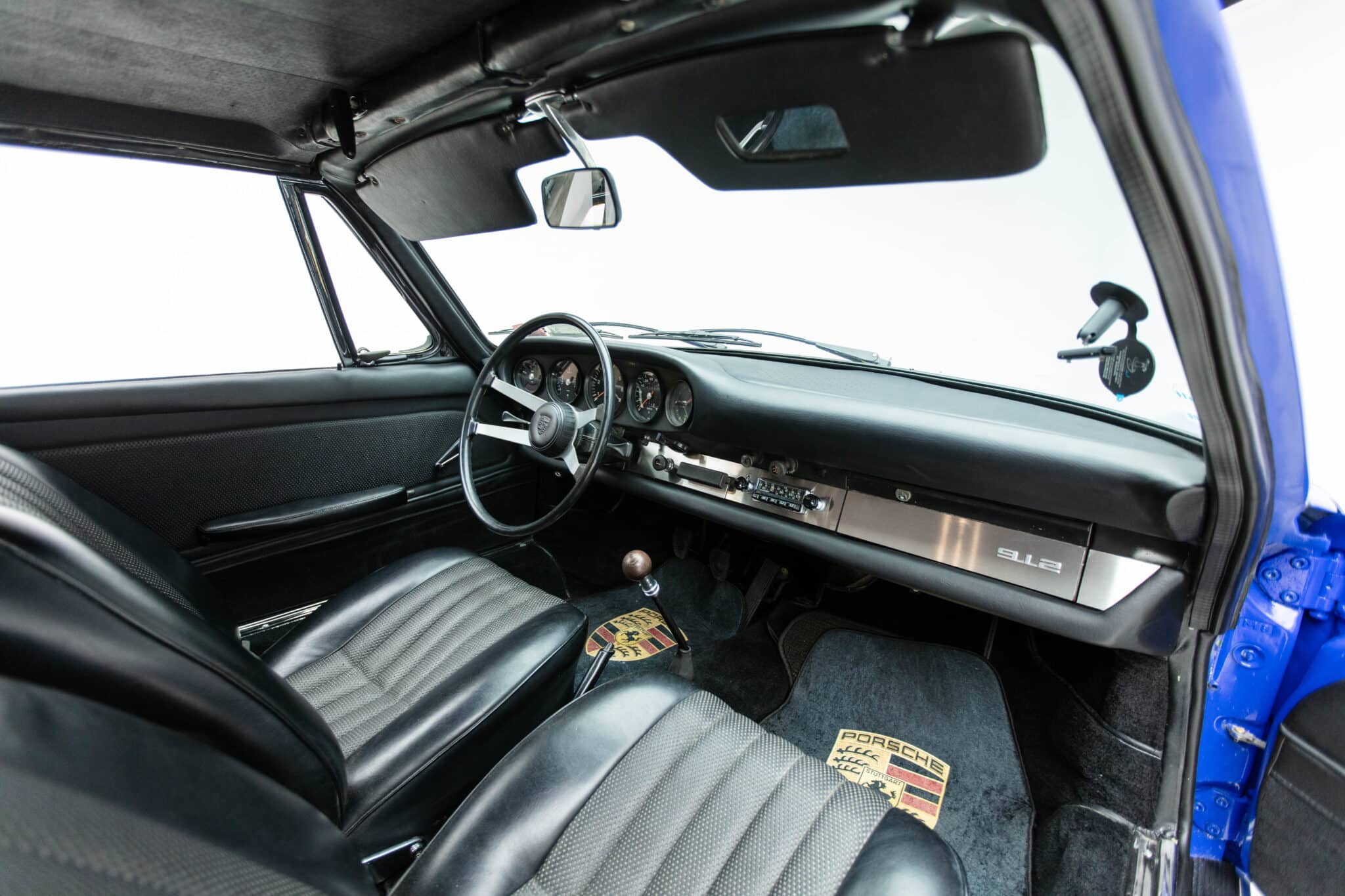
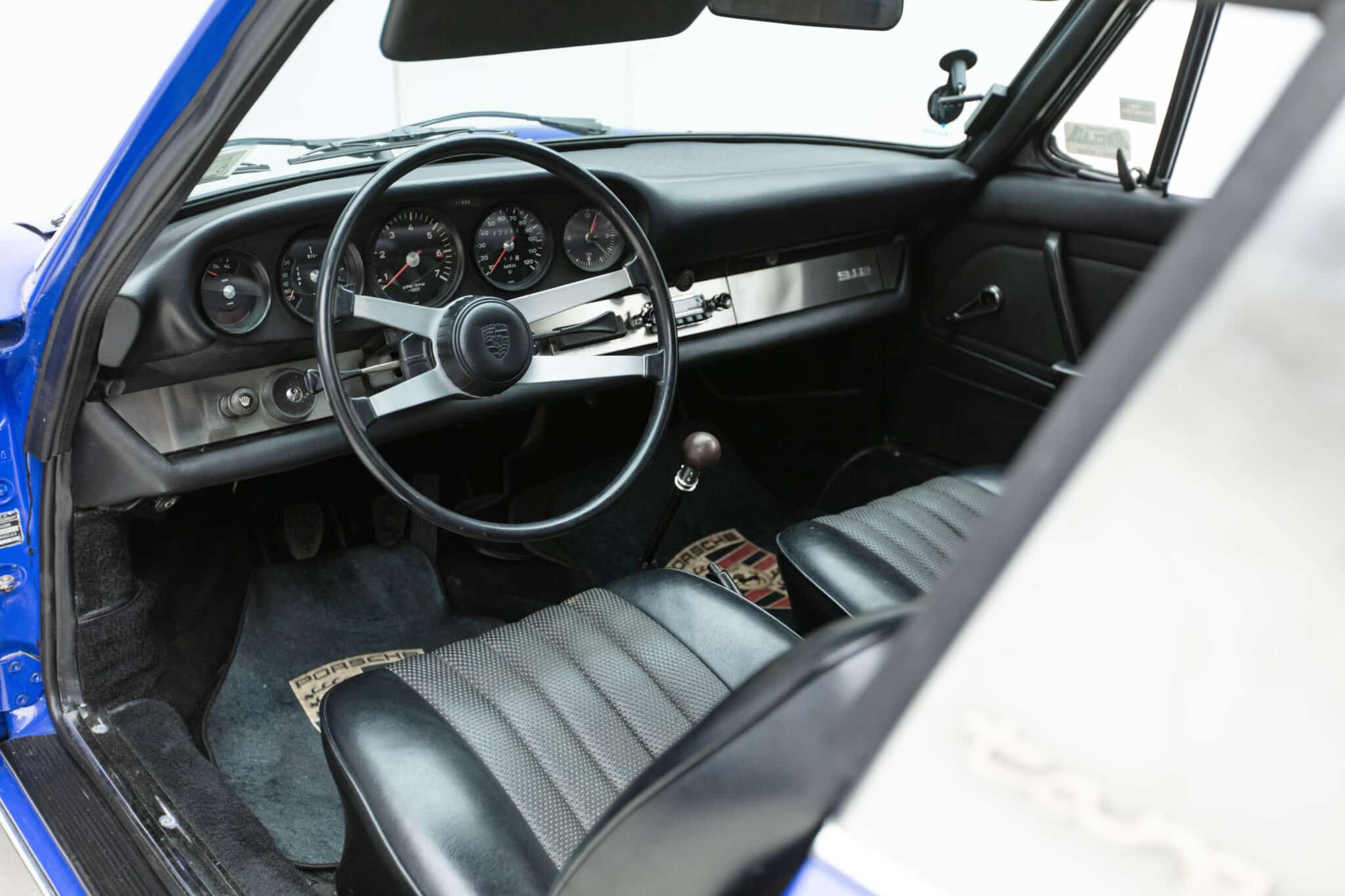
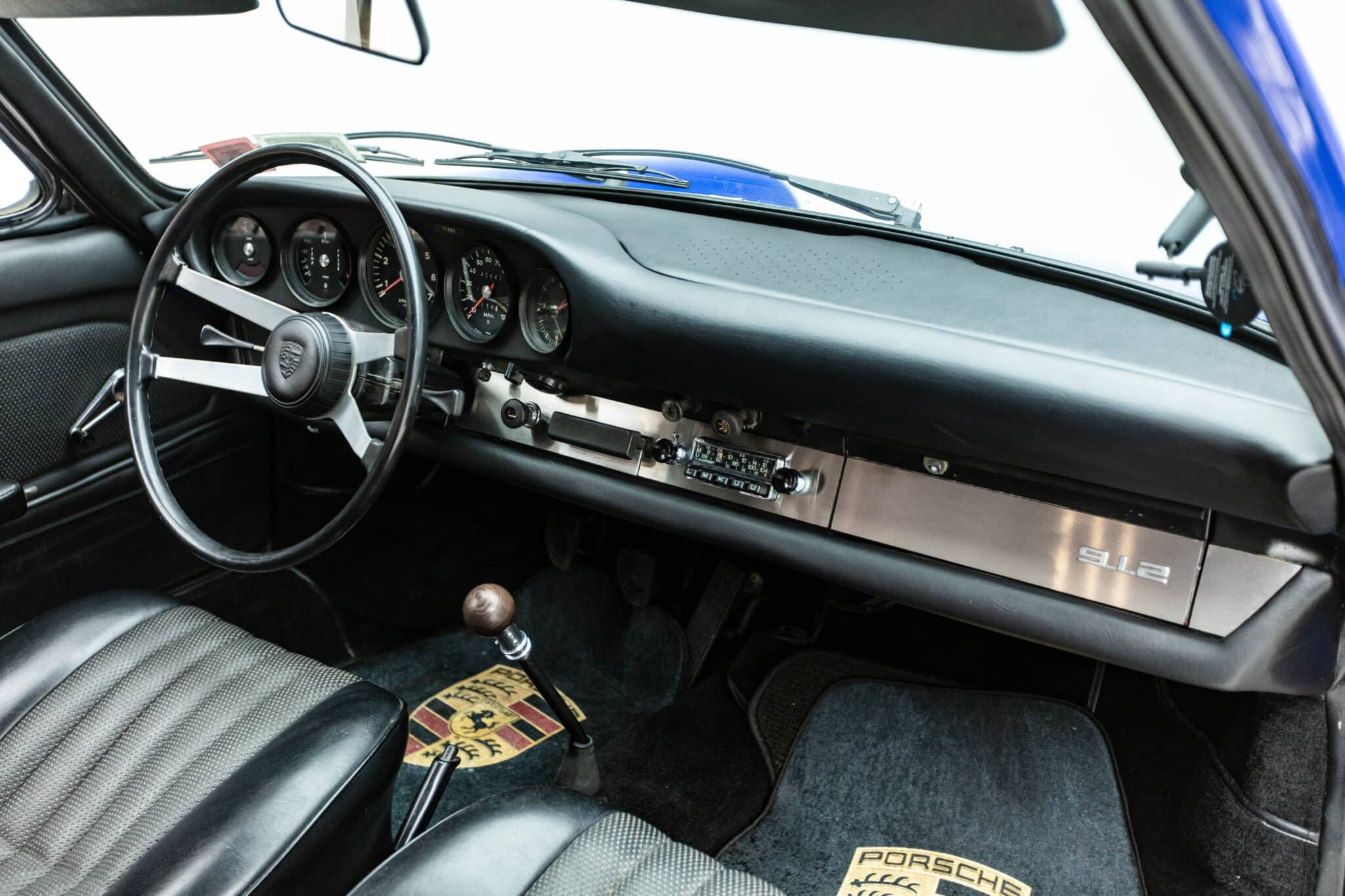
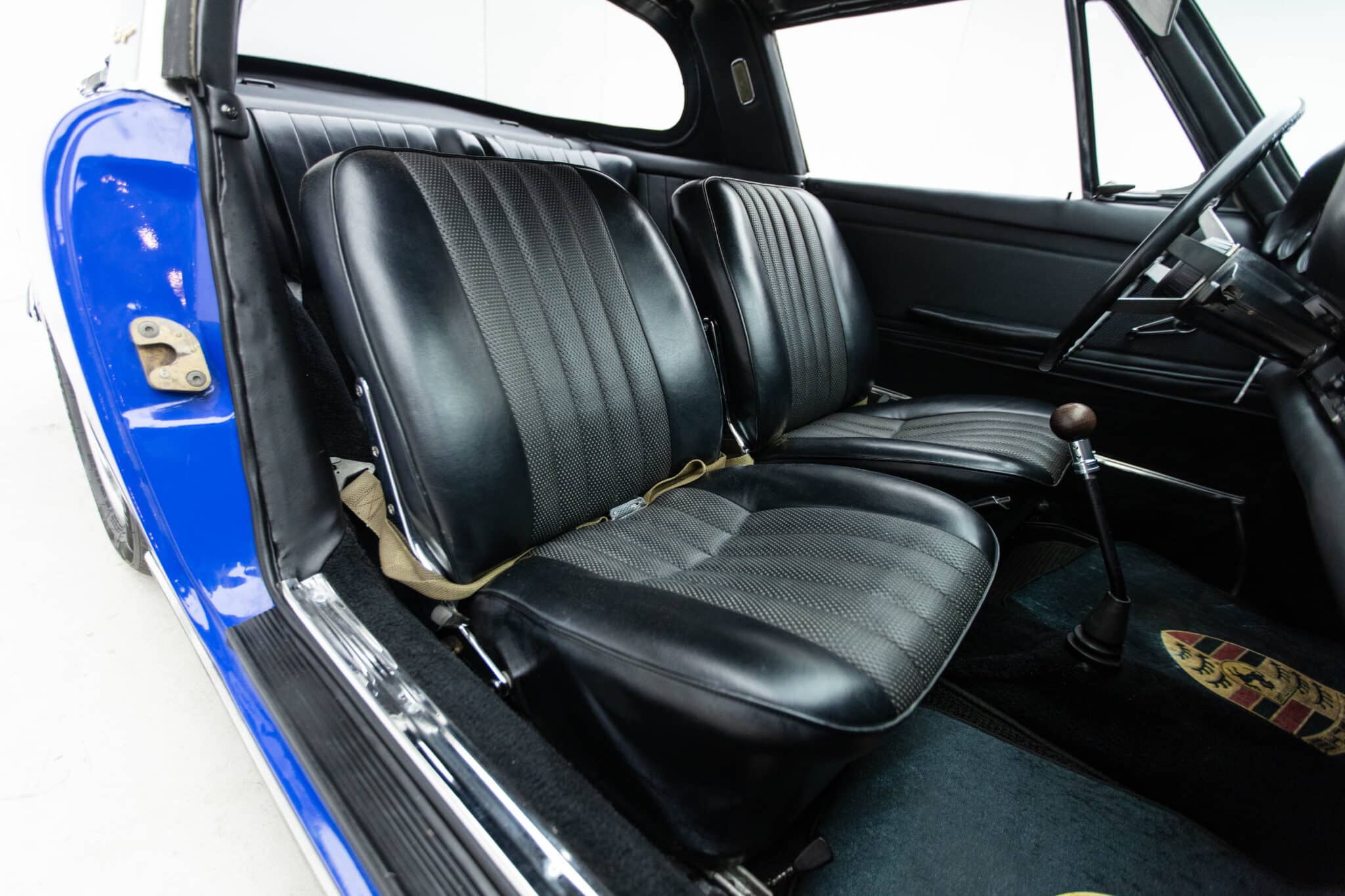
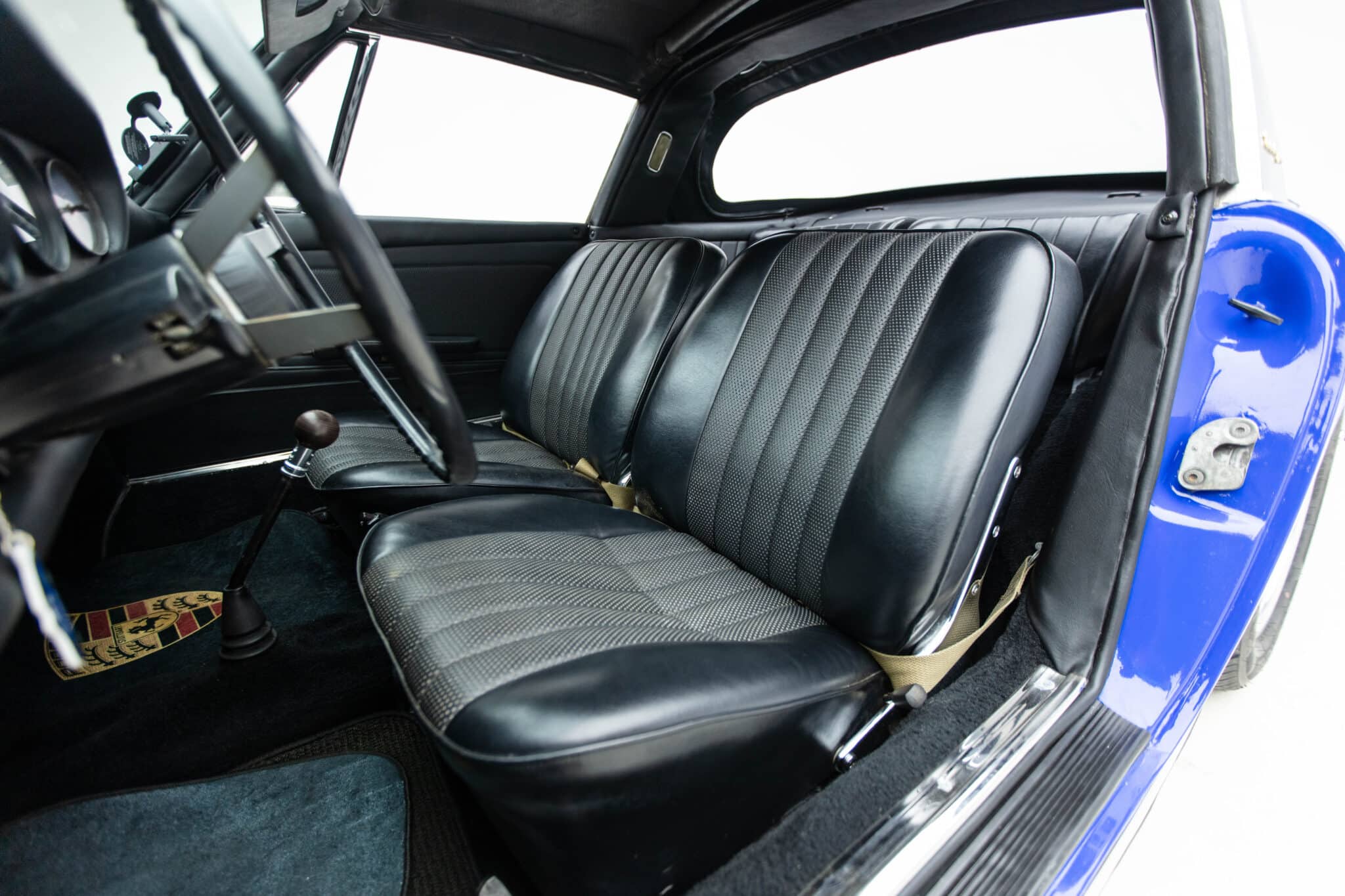
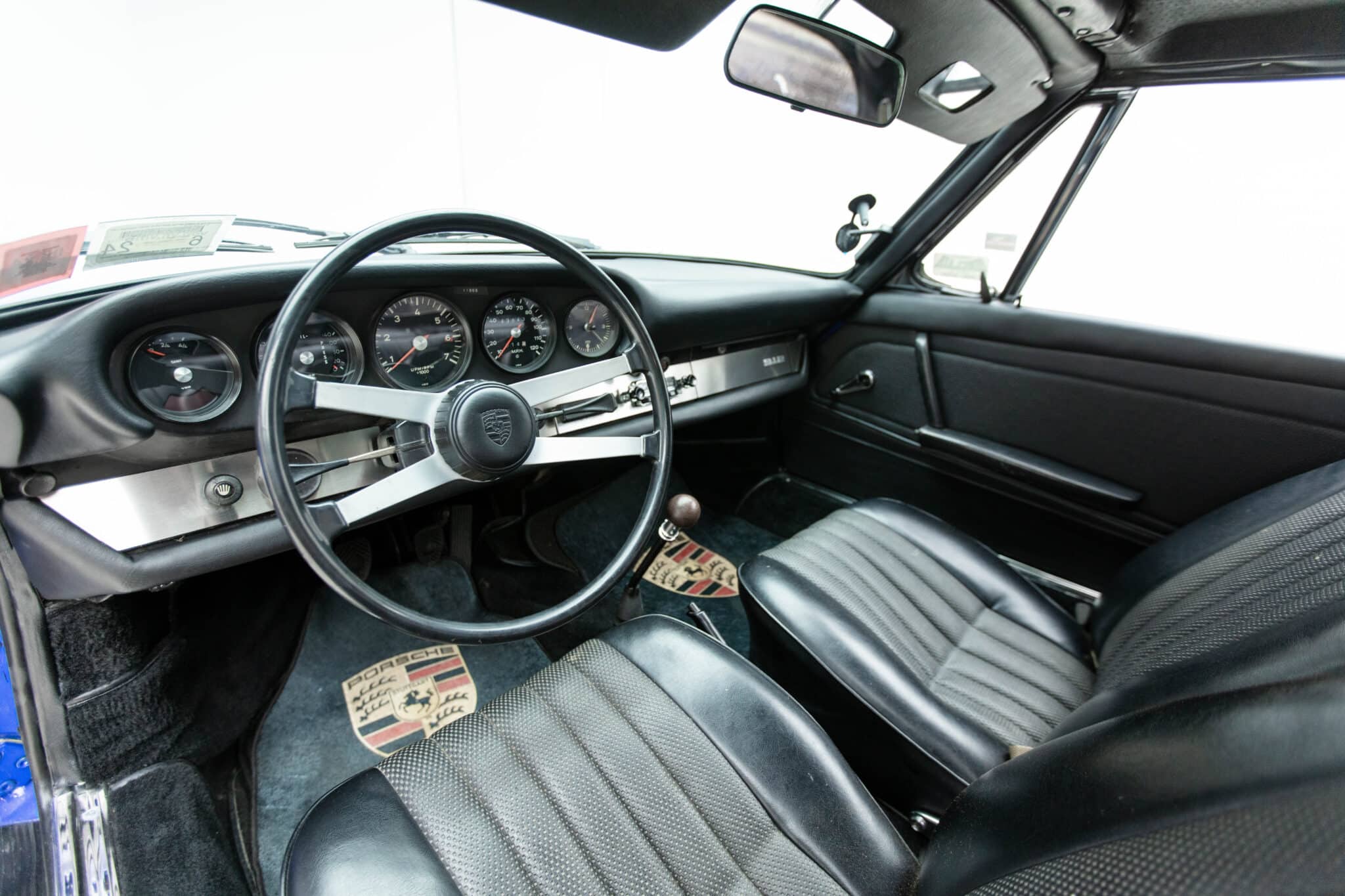
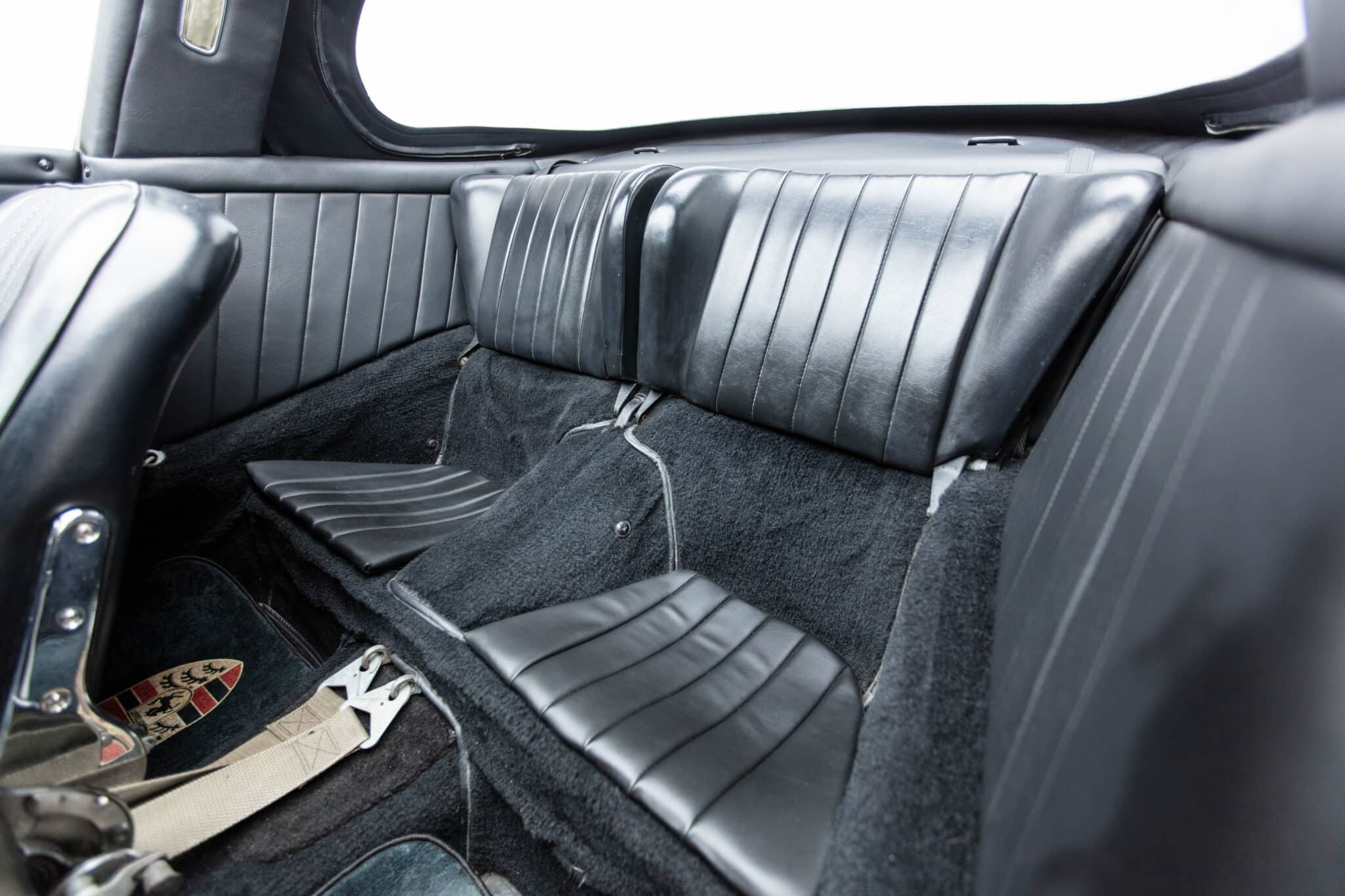
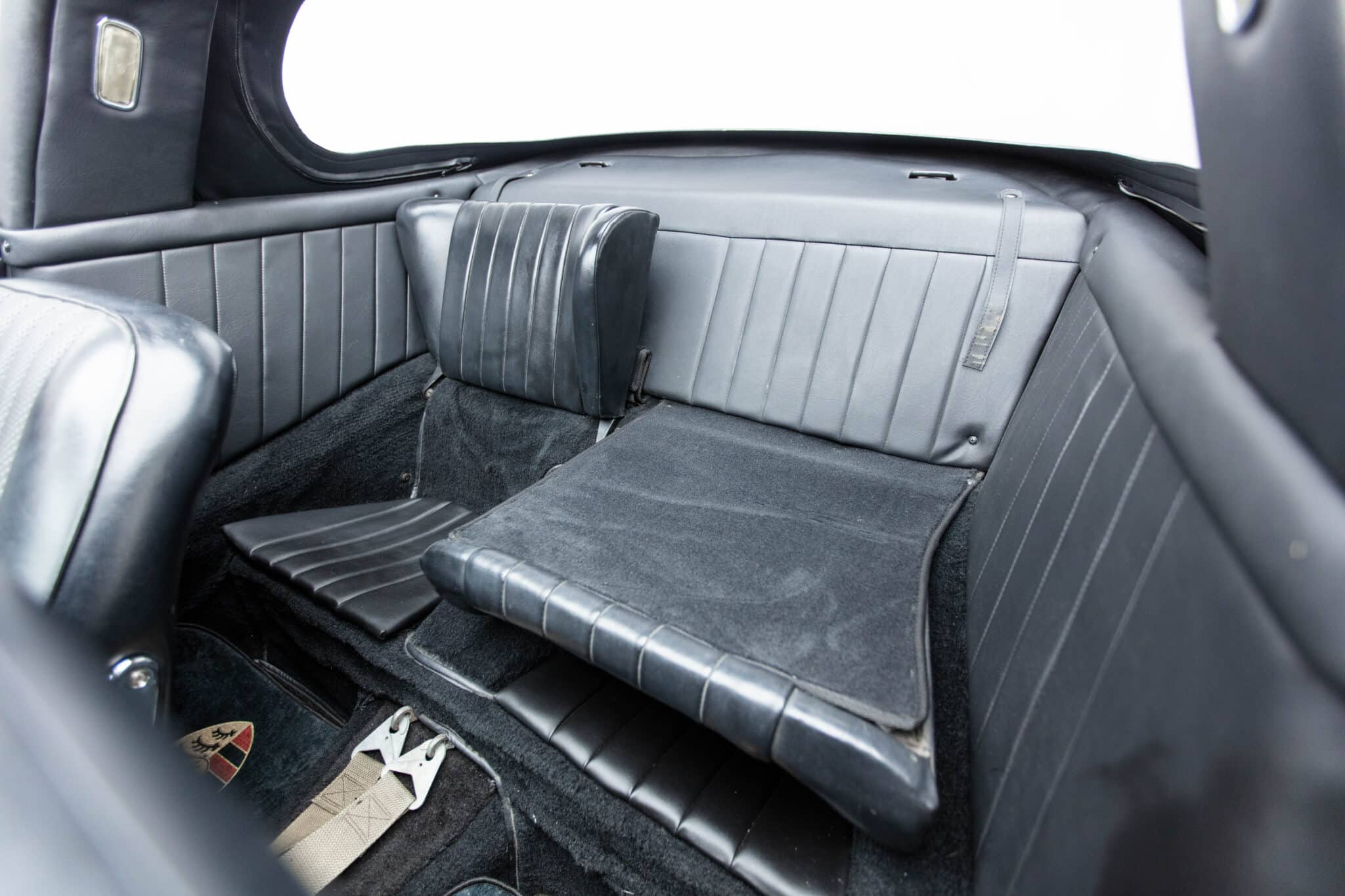
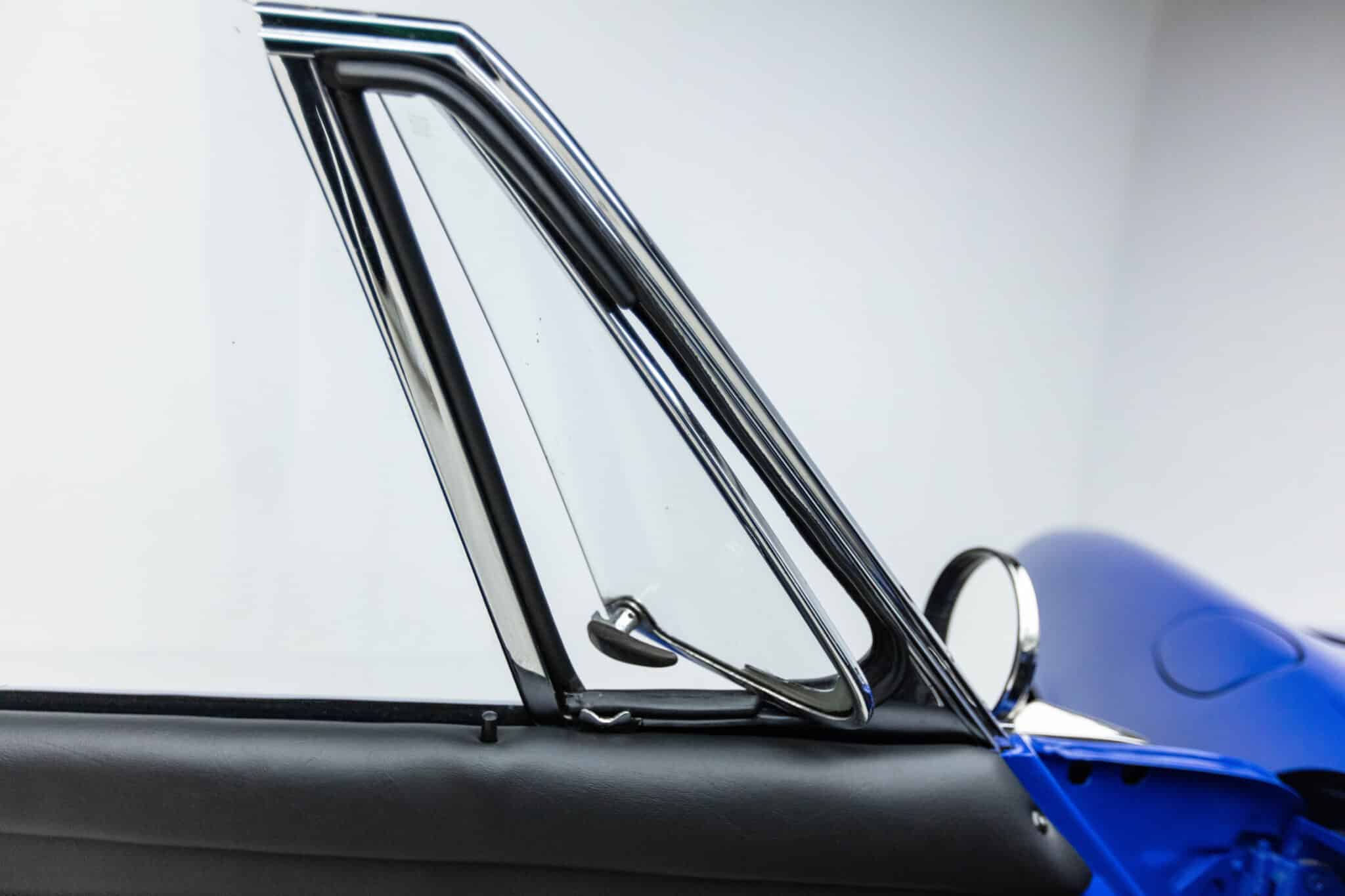
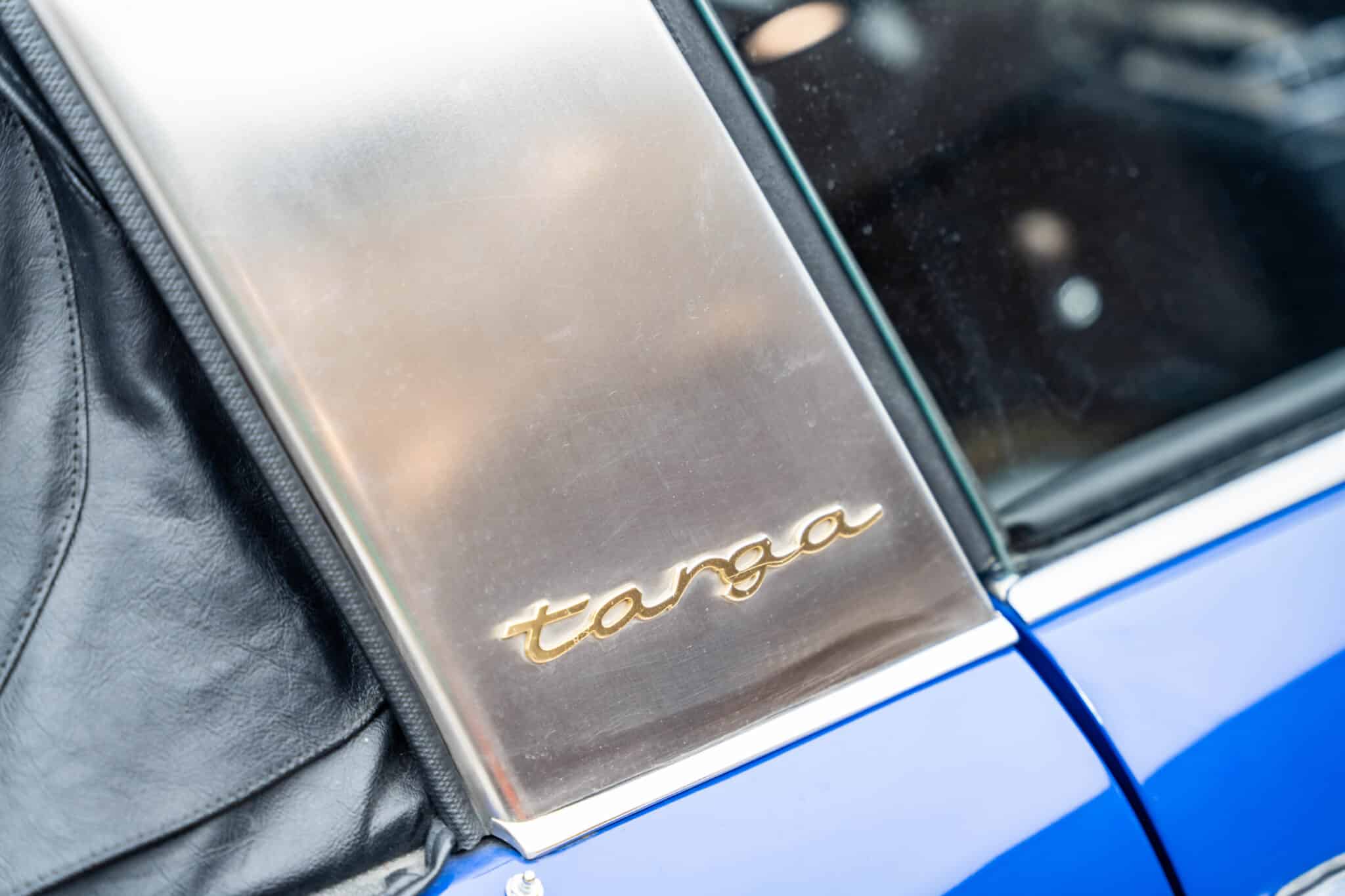
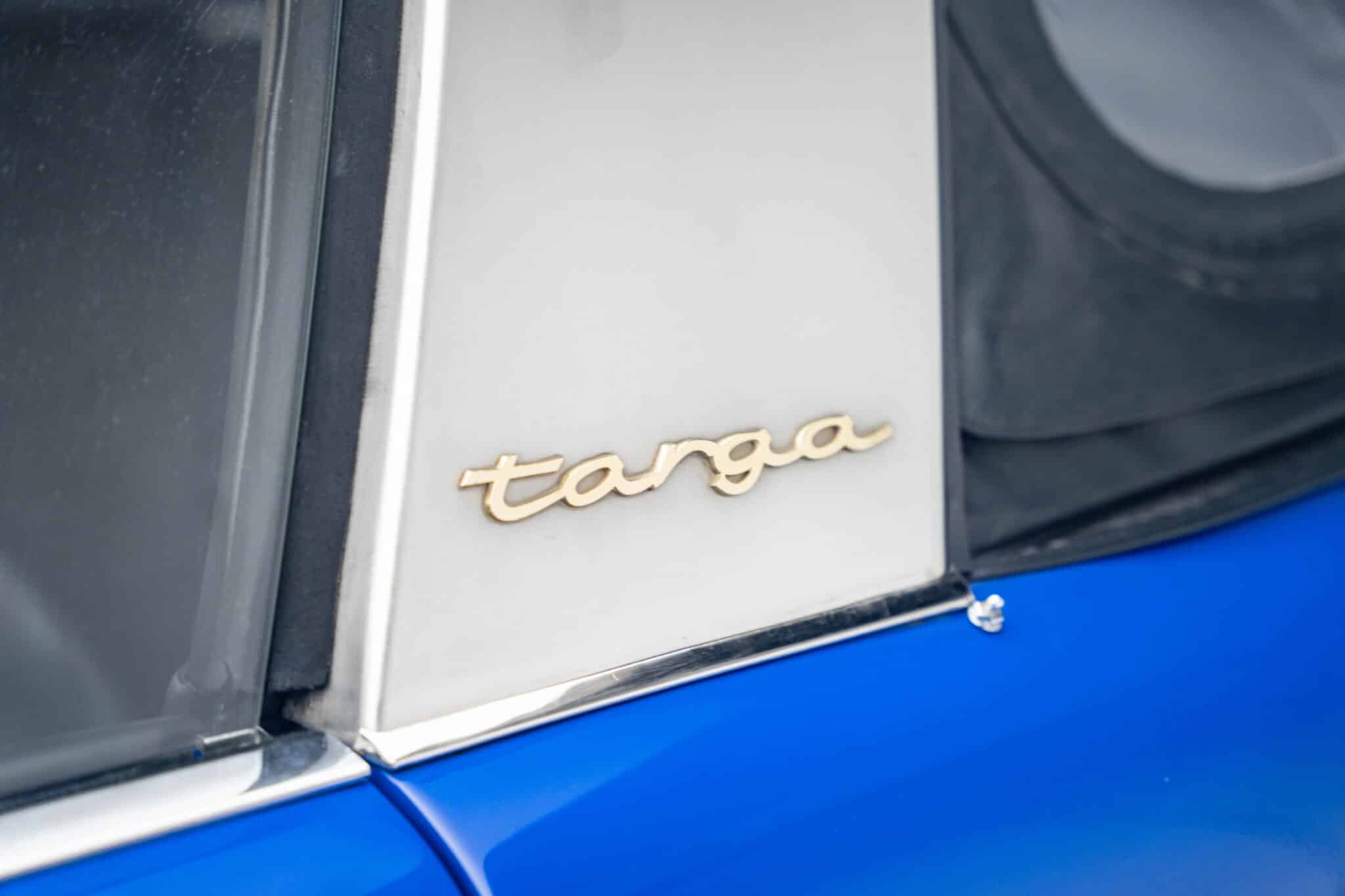
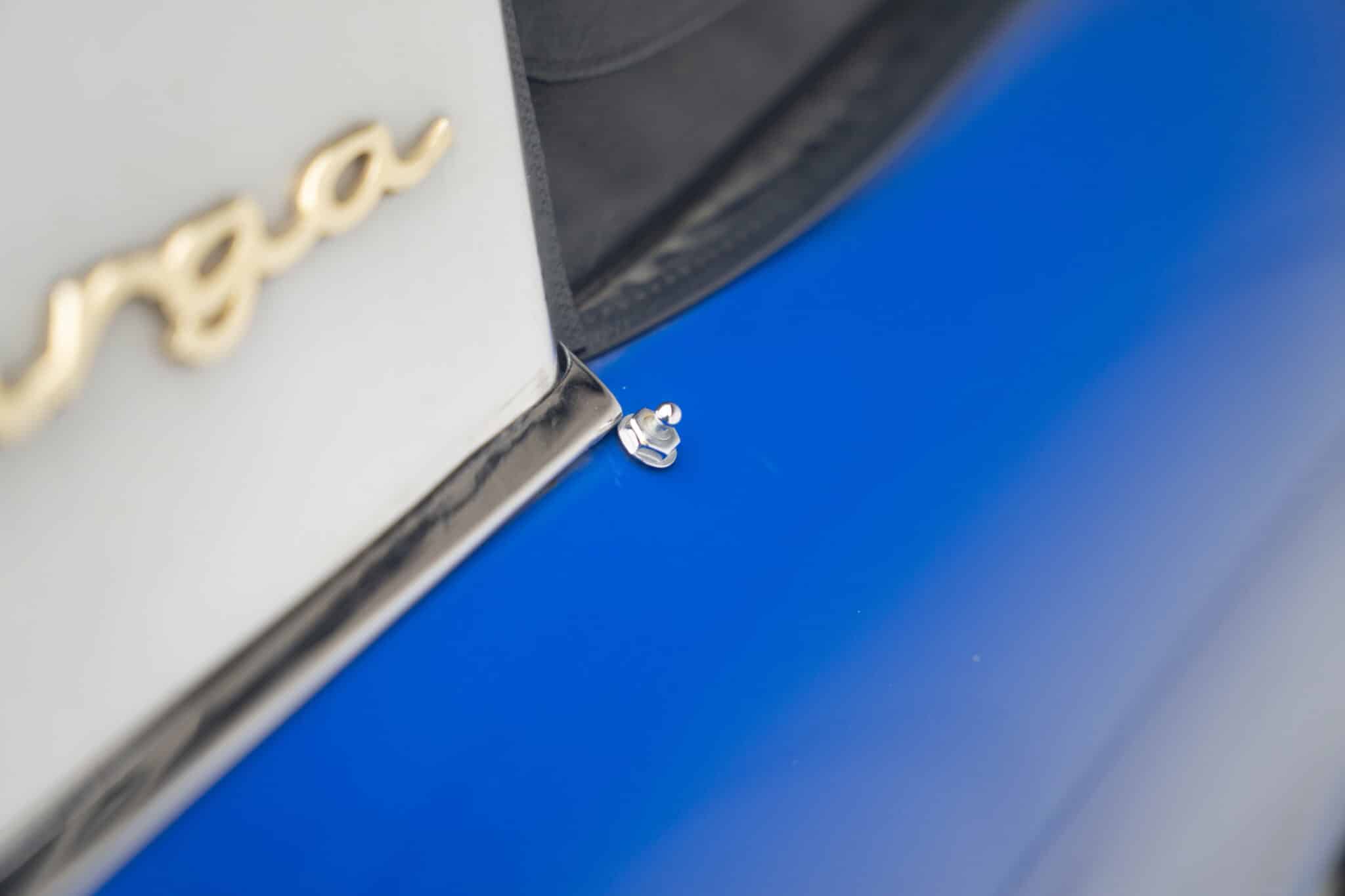
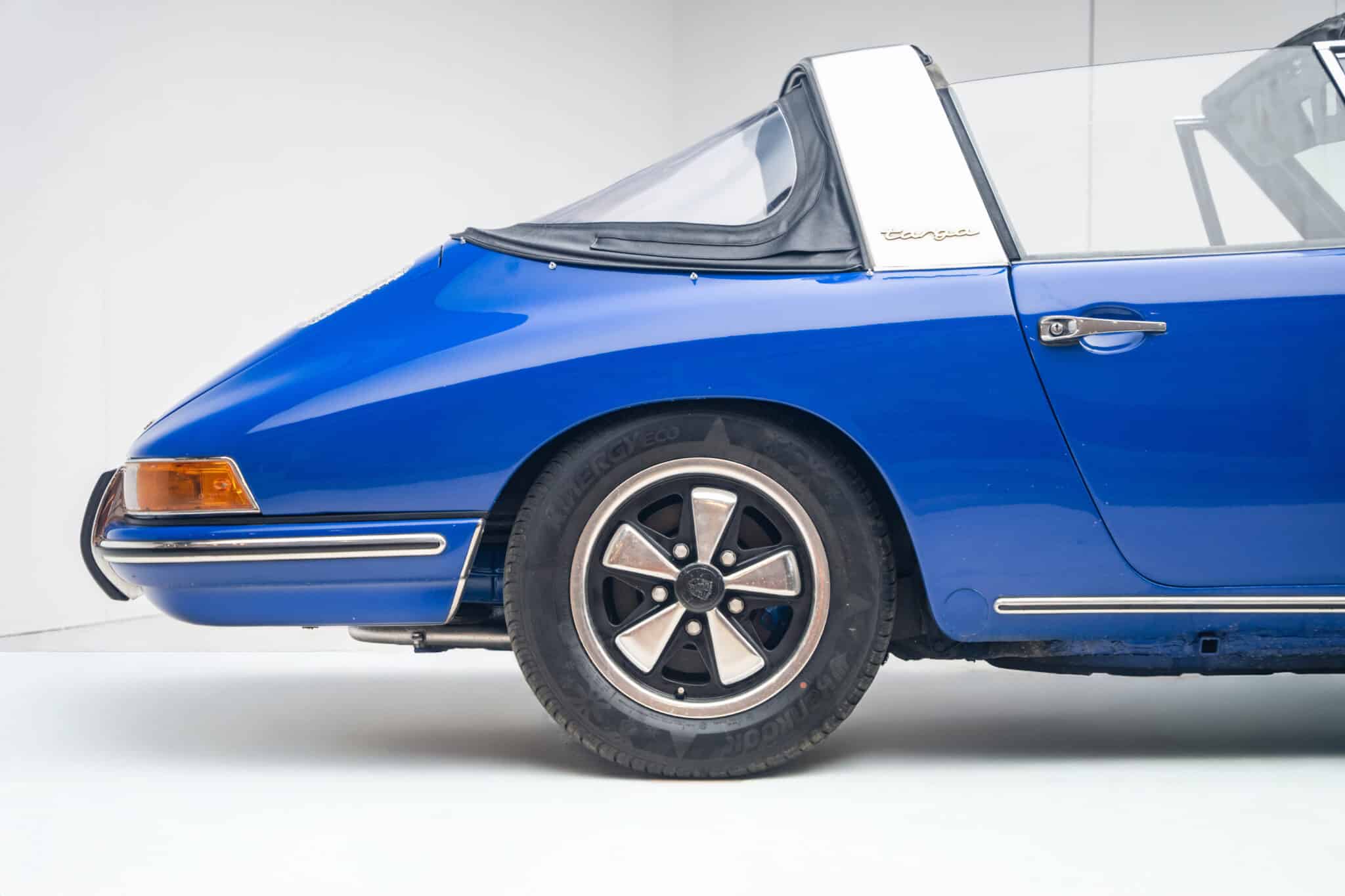
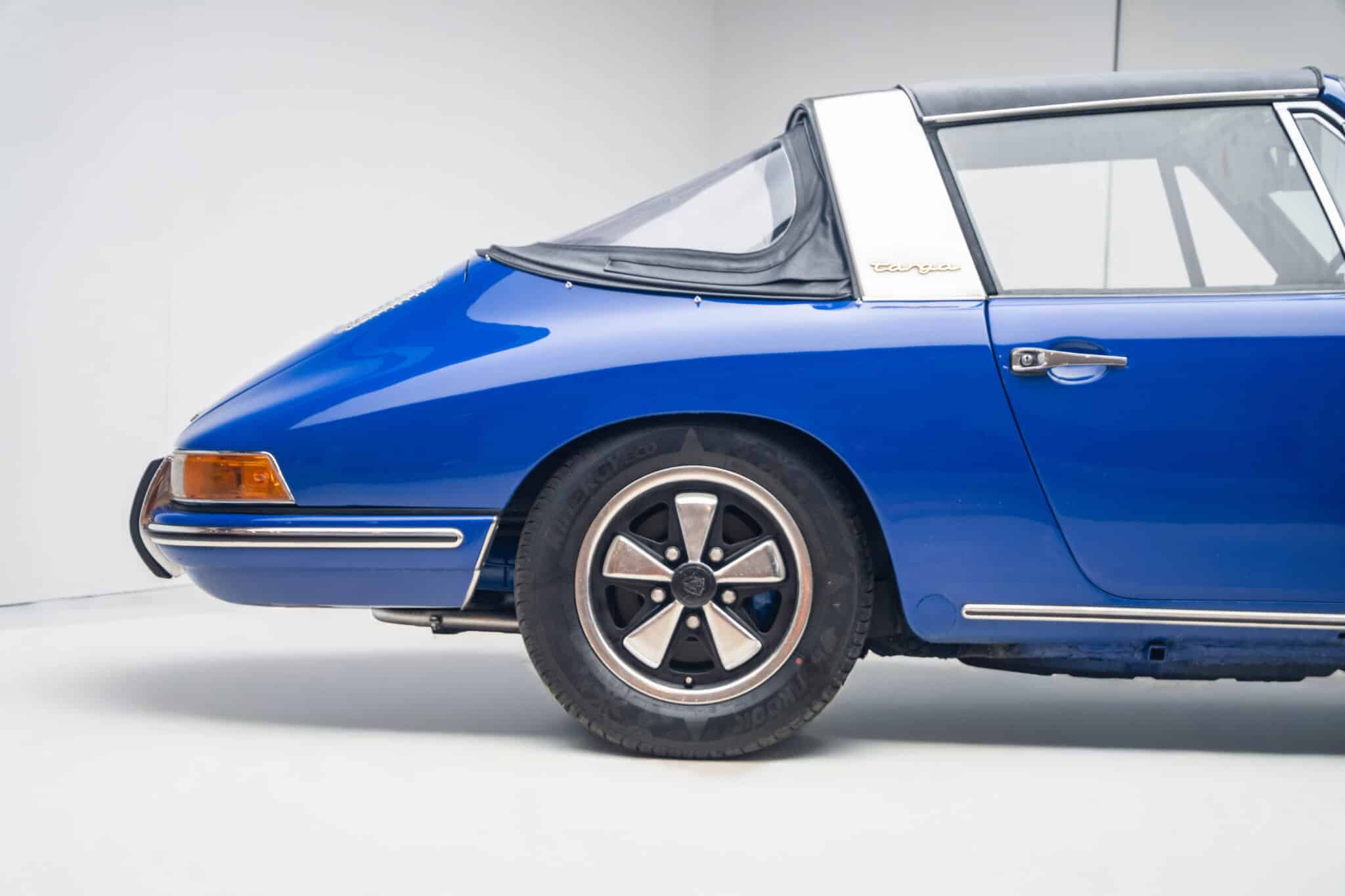
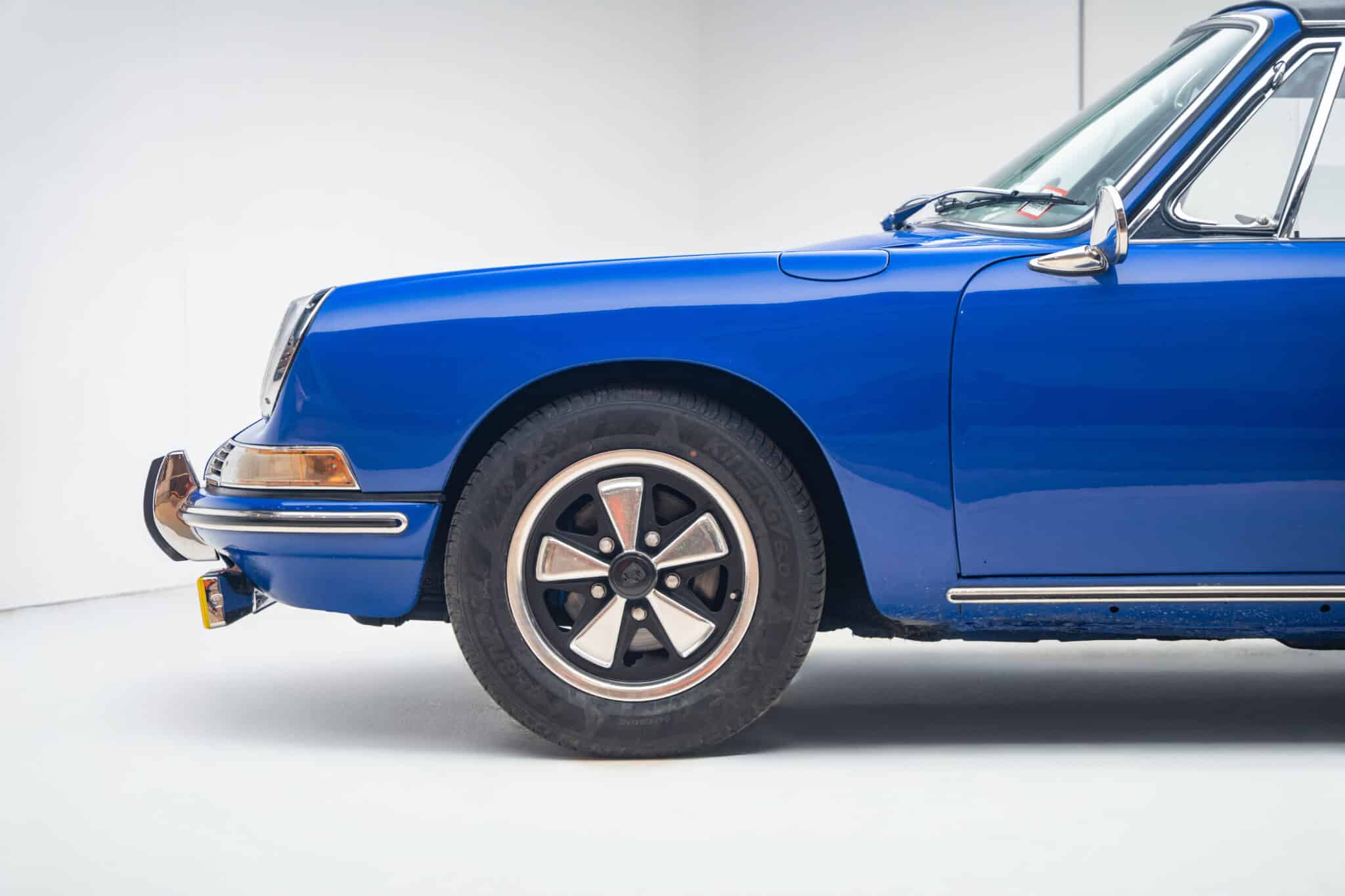
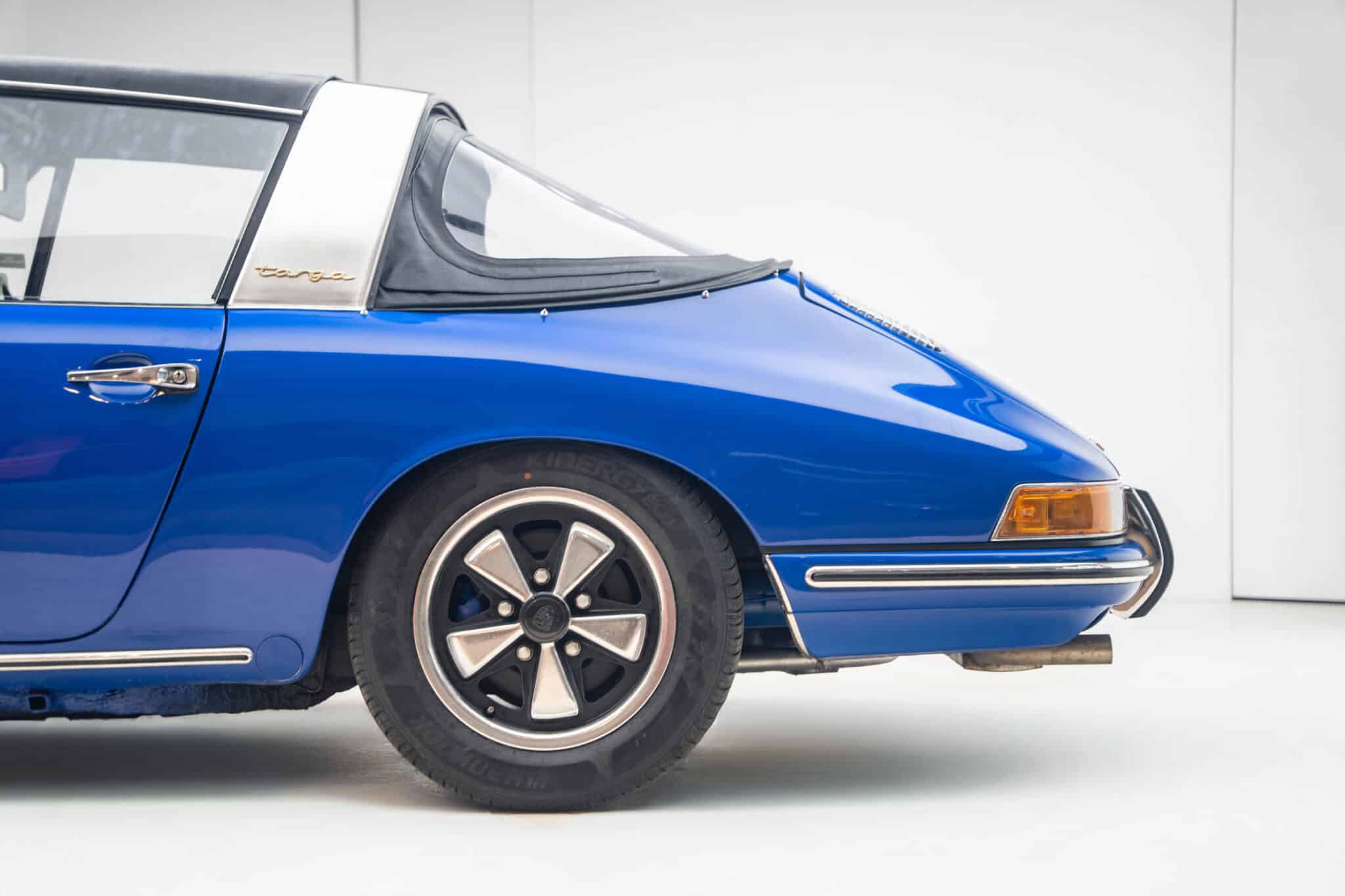
Porsche's "soft-glass" Targa configuration was a true example of innovation for the German manufacturer. First appearing in a Porsche 911 in 1966, the Targa was designed to bring the open-air experience to the world's finest sports car without compromising structural rigidity. Moreover, at the time, there were concerns that upcoming American safety regulations would effectively ban traditional convertibles. The solution was the Targa; this compromise would soon become a permanent addition to the Porsche model range. Early Targas combined the characteristic removable roof panel with a foldable plastic rear "soft" glass.
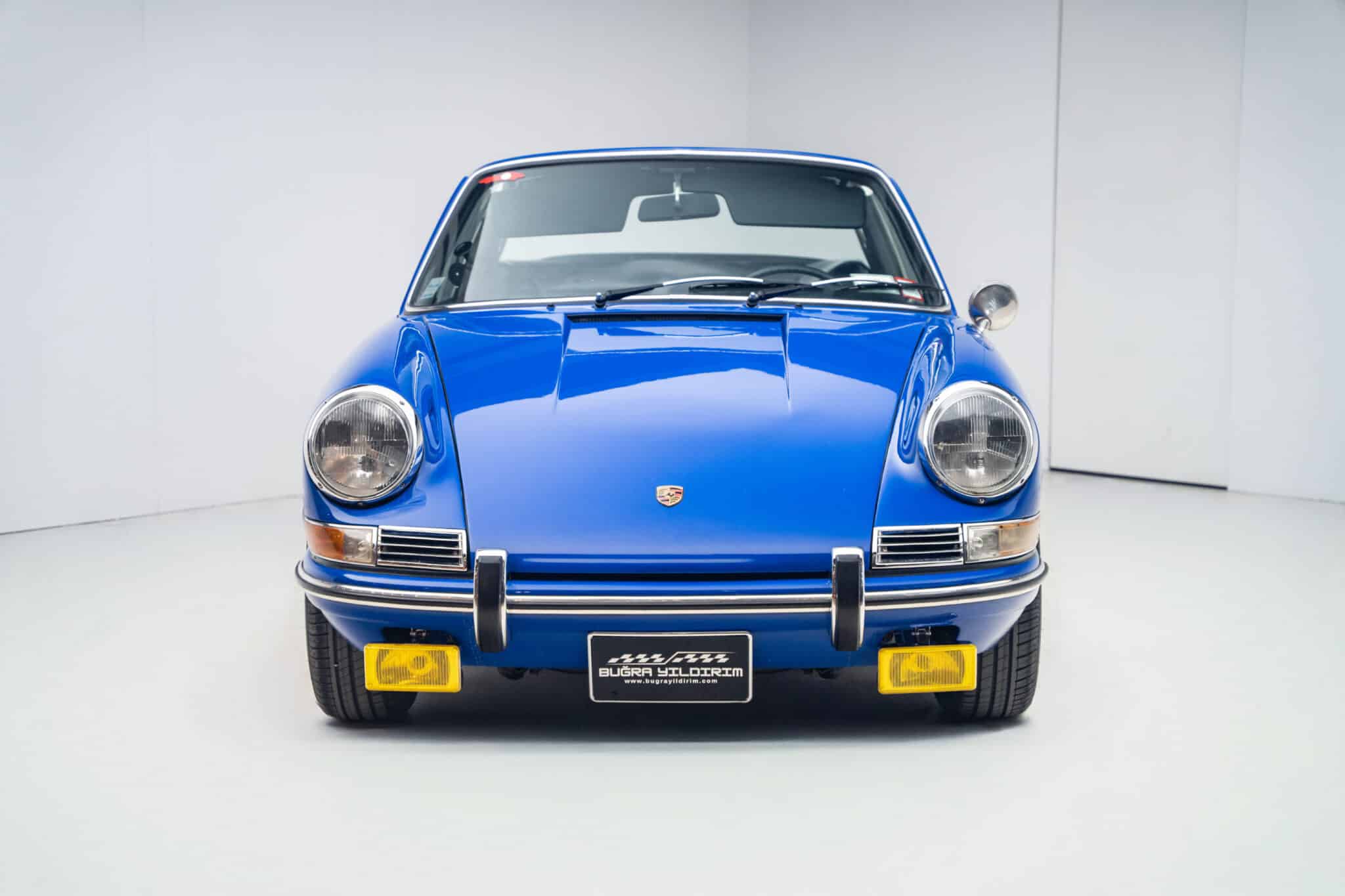
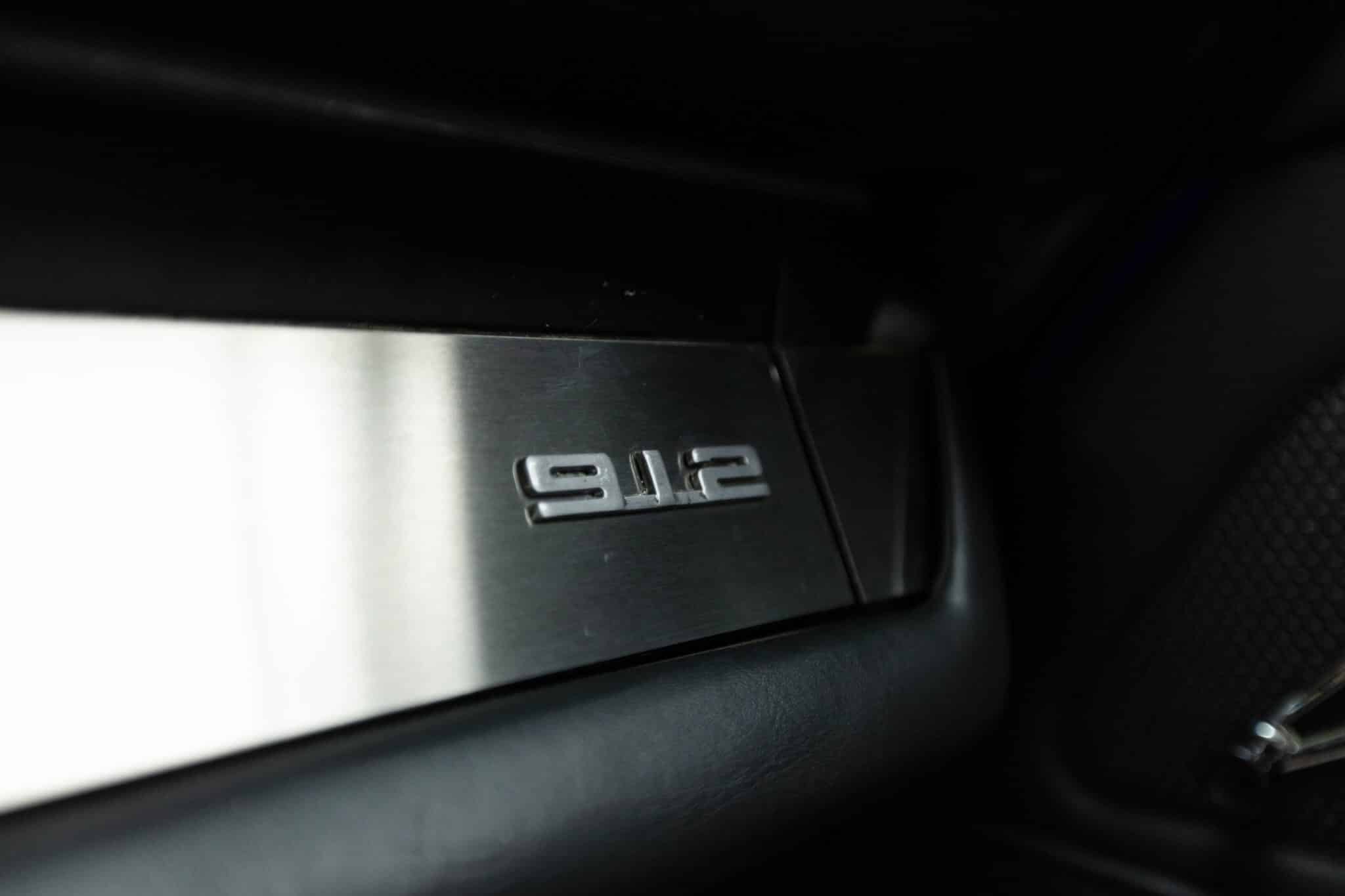
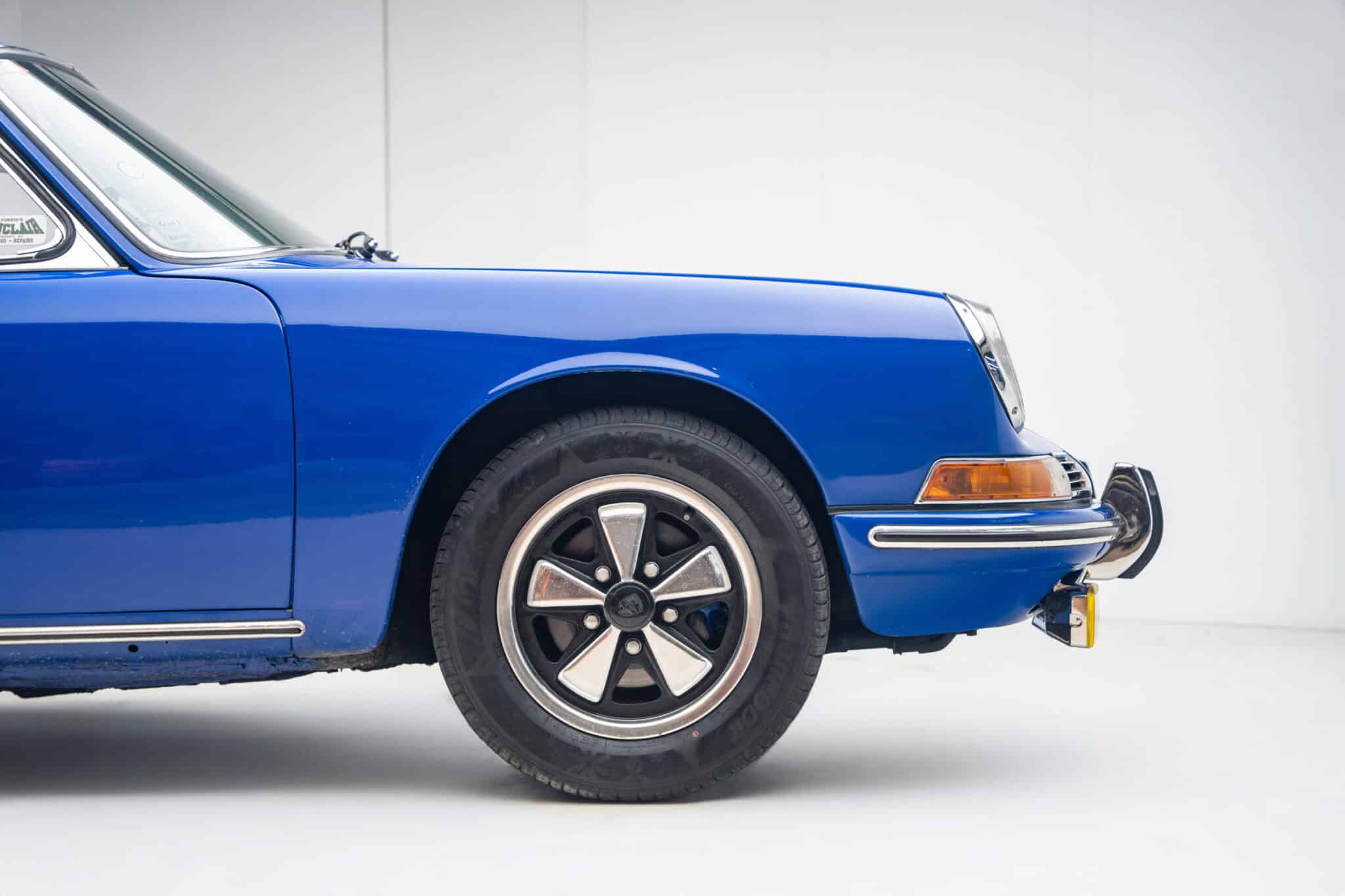
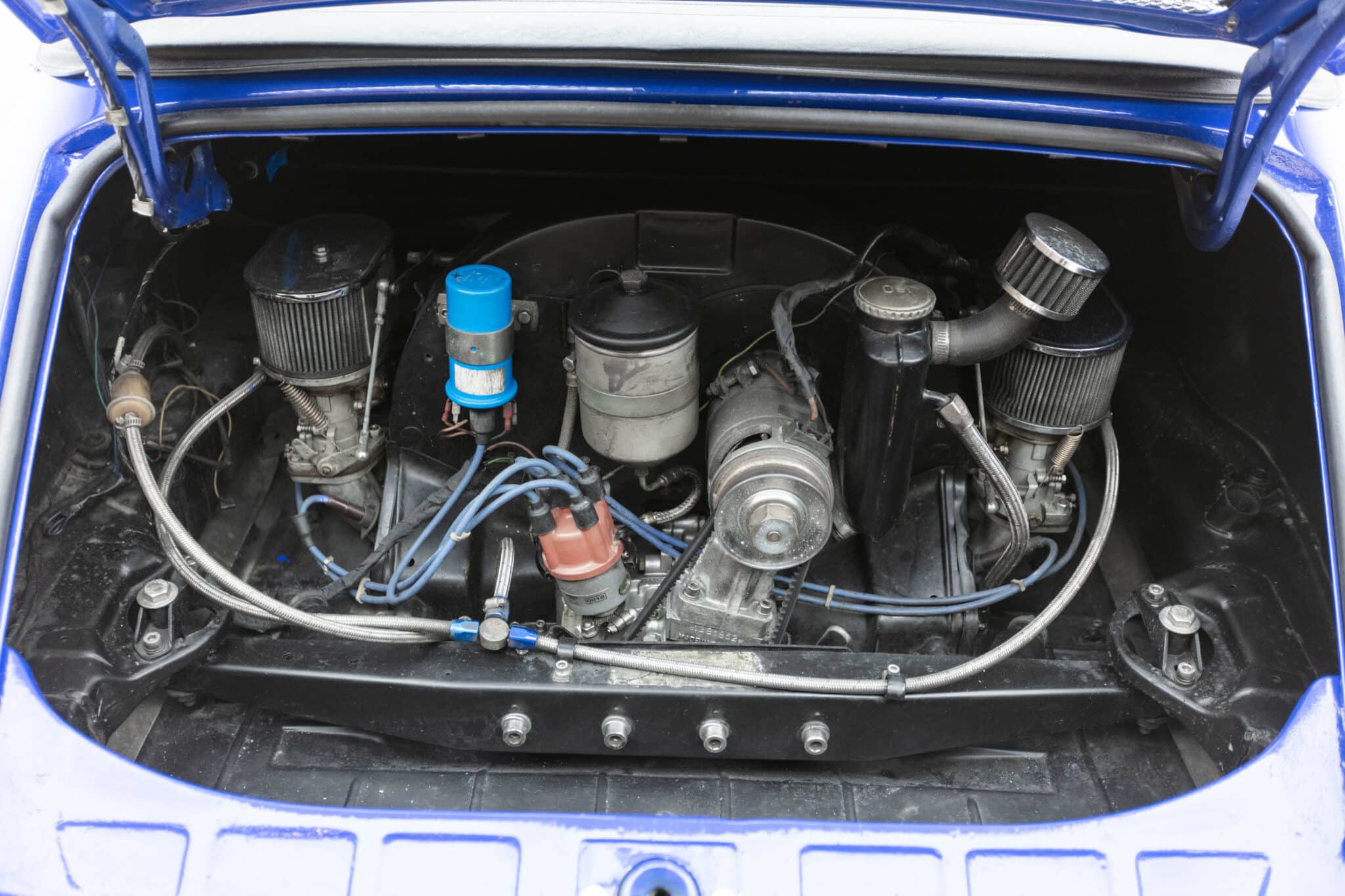
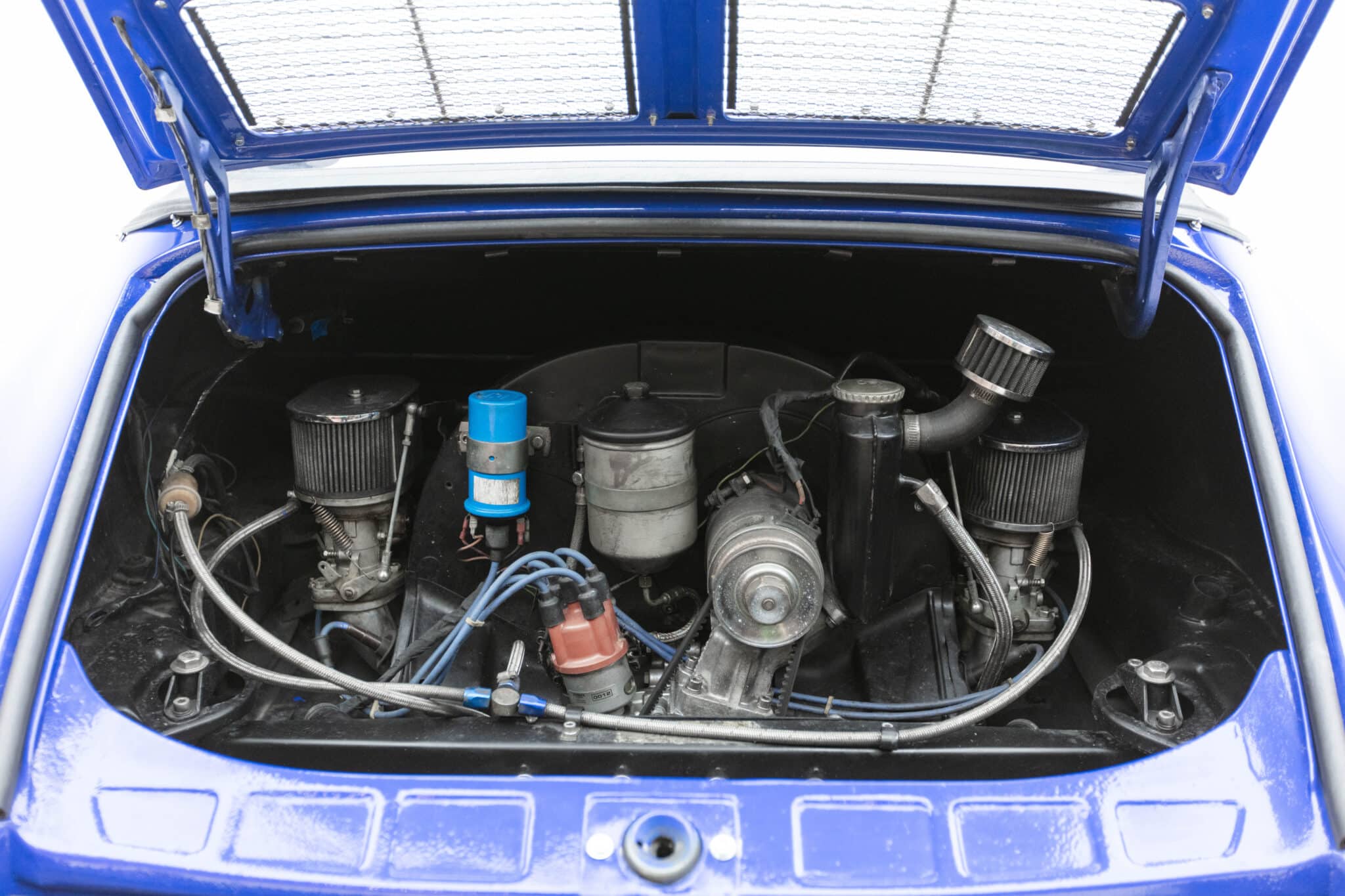
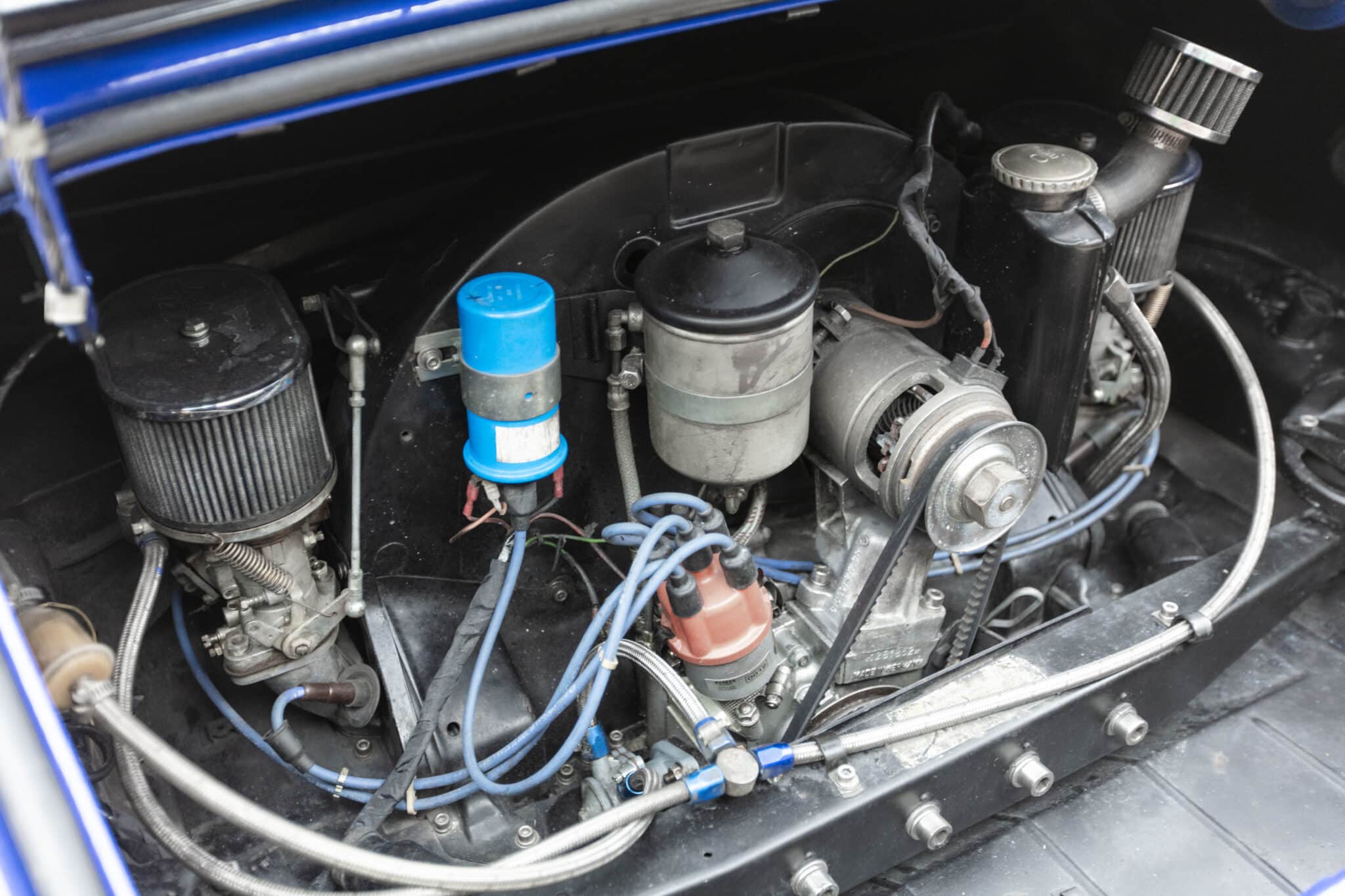
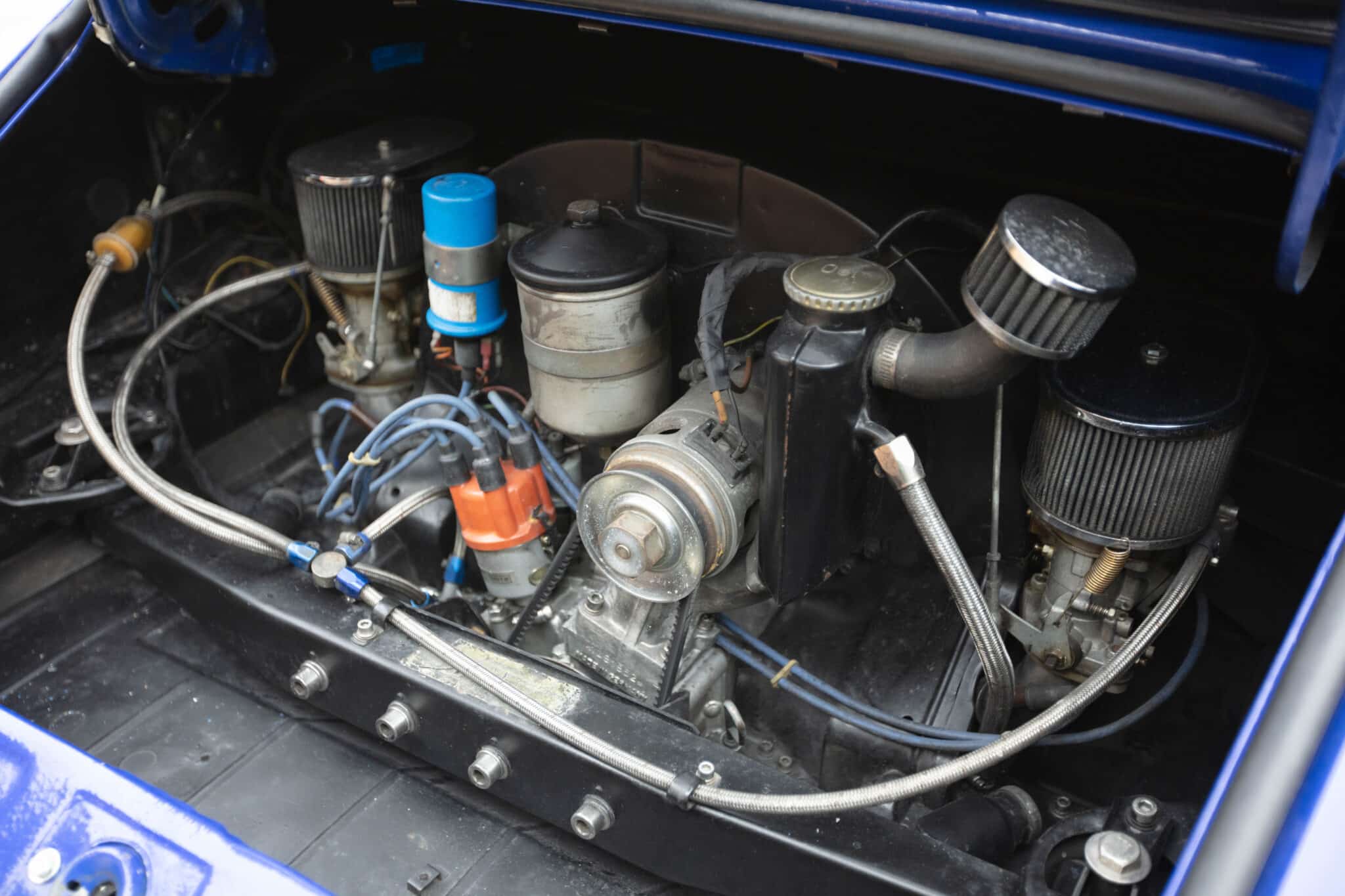
Porsche's entry-level model, the 912, was no exception to this trend. Similar in style to the 911, but powered by a flat four-cylinder engine and prioritizing handling over absolute performance, the 912 eventually adopted many innovations first used in a six-cylinder car. And so, in 1967, the 912 Targa was born, featuring the same removable roof and plastic rear windows.
However, given the relative popularity of the 911 and Porsche's introduction of hard-windowed rear glass for Targa models in 1967 (initially as an option), only about 2,500 units of the soft-windowed 912 Targa model were produced. Some were later converted to hard-windowed vehicles by their owners; this made the already rare 912 Targa models in their original configurations even rarer and more desirable.